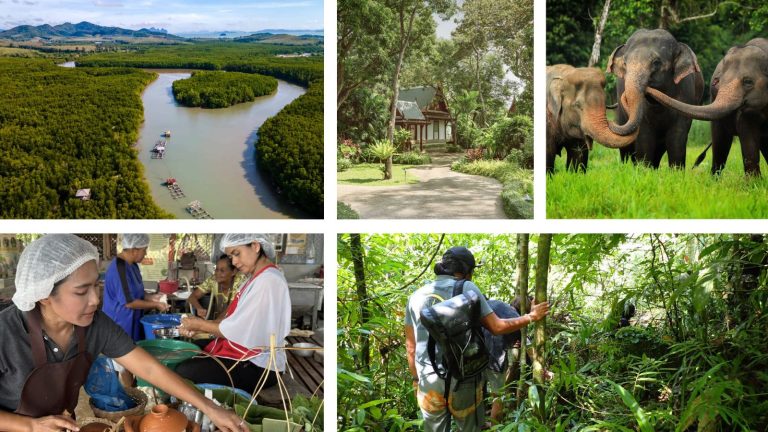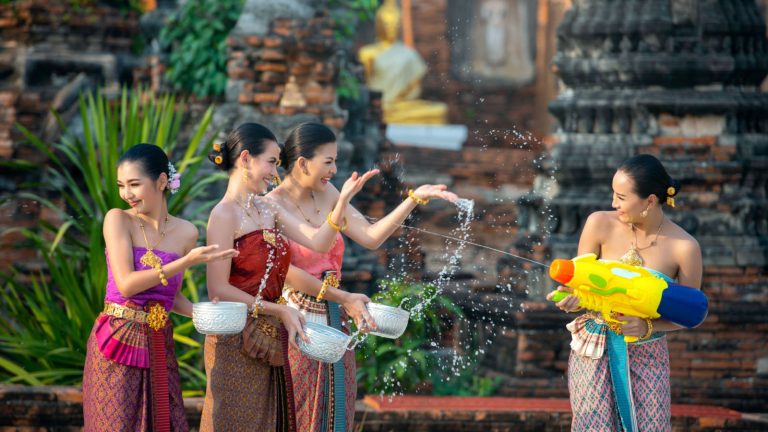
Being a responsible tourist in Thailand can take many forms, but at its heart is respect. Respect for the Thai people, respect for local customs and traditions, and respect for the natural environment. Thai people are renowned for their hospitality and visitors who engage respectfully will find that respect reciprocated.
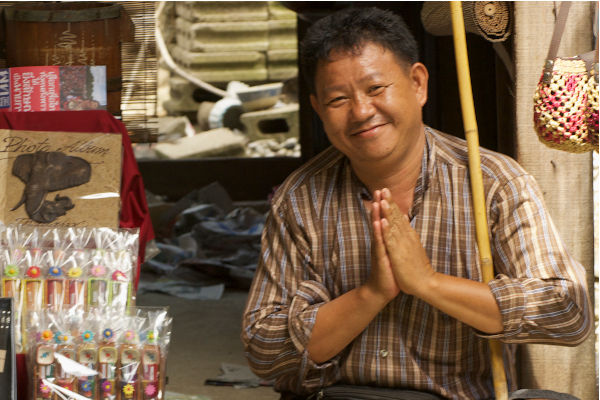
Travelling responsibly in Thailand isn’t about giving up the experiences that make a trip memorable. It’s about making thoughtful choices about where you stay, what you buy, how you travel and how you interact with the people, culture and environment around you.
Small decisions can make a meaningful difference. Choosing locally owned businesses, reducing waste, respecting cultural traditions and avoiding harmful wildlife experiences can all help ensure tourism benefits the places you visit.
These practical suggestions will help you enjoy Thailand while leaving a more positive impact.
Planning a responsible trip to Thailand?
Find practical advice on making better choices about wildlife, communities, culture and the environment.
Explore Travel Responsibly →
Accommodation
1) Consider staying at a family-run guest house or independent hotel where your money can directly support local people.
2) When booking accommodation in Thailand, check to see if you can book directly with the property. Although the temptation is to use an online travel agent (OTA), these companies take a percentage of the profit from the hotel. That might not be such a big deal for an international chain hotel, but it can have a significant impact on smaller hotels and guest houses.
3) Look for hotels and guest houses that support responsible tourism. Check to see if they have a sustainable tourism policy in place.
4) Show your appreciation to the staff at your accommodation by being polite. A smile and a cheery ‘sawatdee‘ (‘hello’) can go a long way in Thailand.
5) Although Thai people don’t generally leave tips, there are exceptions. This includes hotels where leaving a small tip for porters will be appreciated. The same is true for the housekeeping staff. You can leave some small change (around 15-25 Baht) on top of your pillow each morning before you go out. This is a simple act of kindness and shows respect for the people who are helping make your stay so comfortable.
How to choose a responsible hotel in Thailand
Community
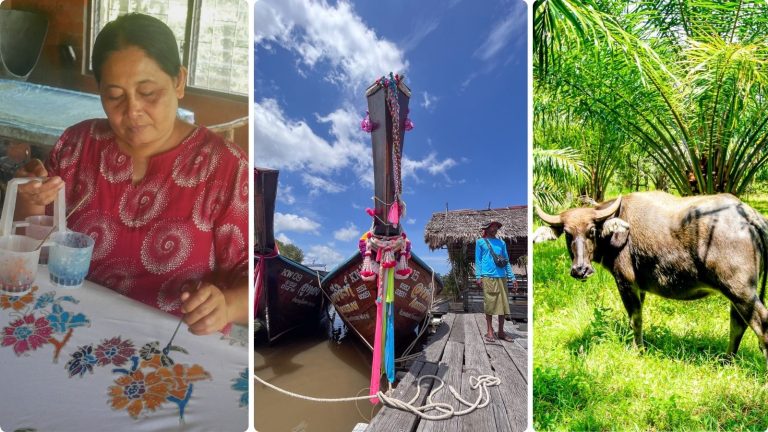
6) Every time you eat out at an independently owned restaurant or street stall you are supporting the local economy. The same is true when you purchase goods from local markets and artisans. Eat local and shop local to support the local community.
7) If you’re buying souvenirs at a Thai market, there may be room for some negotiation on the price. Haggling can be a fun part of the shopping experience but do it respectfully.
8) Use local tour guides. Expert guides can provide insights into local life which can result in a more meaningful travel experience.
9) Try community-based tourism (CBT). Owned and managed by the community for the community, there are CBT projects across Thailand. Whether you visit on a day trip or spend a night or two with villagers, these initiatives are good for travellers and locals alike.
Culture and Heritage

10) Dress appropriately for the situation. Thailand is a conservative country, particularly away from the main tourist areas. Leave the swimwear for the beach; walking around cities it’s not polite for men to go shirtless or for women to wear bikini tops.
11) Remember the basic Thailand do’s and don’ts.
12) Try to learn a few Thai phrases. This not only shows respect, but can also be a great ice-breaker. Don’t worry if you get pronunciation or tones wrong; the key is to smile and not take yourself too seriously.
Nature and Wildlife
13) “Leave nothing but footprints, take nothing but pictures …”
14) Don’t take selfies with wildlife. Sadly, there are still some unscrupulous traders in resort areas who offer tourists the chance to have their photo taken with exotic animals.
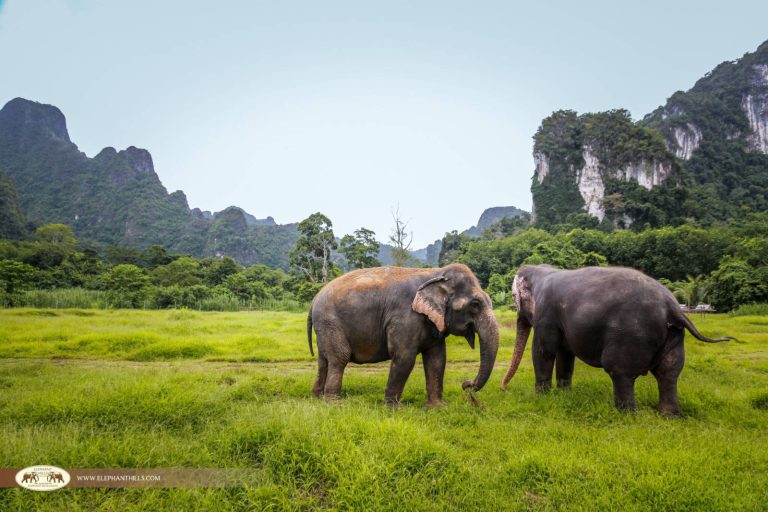
15) Thailand is synonymous with elephants and, understandably, visitors want to see these amazing animals. Do your research before visiting any elephant centre in Thailand. Just because a facility uses the word ‘sanctuary’ it doesn’t necessarily make it an ethical centre.
16) Don’t feed wildlife. If you’re on a boat trip don’t throw any food into the sea. In some areas of Thailand you may see monkeys, but don’t feed them or leave drinks for them.
17) When you’re visiting beach areas or snorkelling, wear reef-safe sunscreen to help protect marine life.
Find an ethical elephant sanctuary in Thailand
Travel
18) Don’t be a burden on your hosts. Ensure you have comprehensive travel insurance before you travel to Thailand and check what your travel insurance policy does and doesn’t cover.
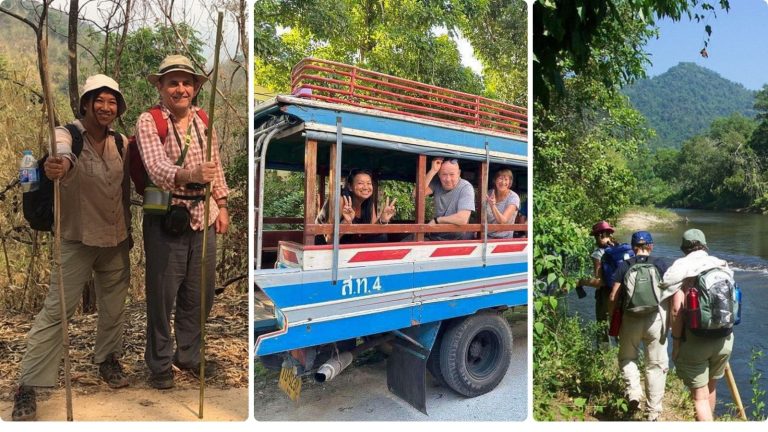
19) Try not to rush your trip and cram too much in. Spending more time at a destination allows for a more meaningful travel experience. Wherever practical, use public transport, cycle, or walk and enjoy the benefits of slow travel.
20) Consider venturing away from the main tourist areas to discover another side of Thailand.
12 transformational travel ideas for Thailand
Make your trip count
Responsible travel means making thoughtful choices that respect Thailand’s people, culture, and environment. Whether you choose a locally owned business, avoid an unethical wildlife attraction or simply take more time to understand the place you’re visiting, those decisions can make a difference