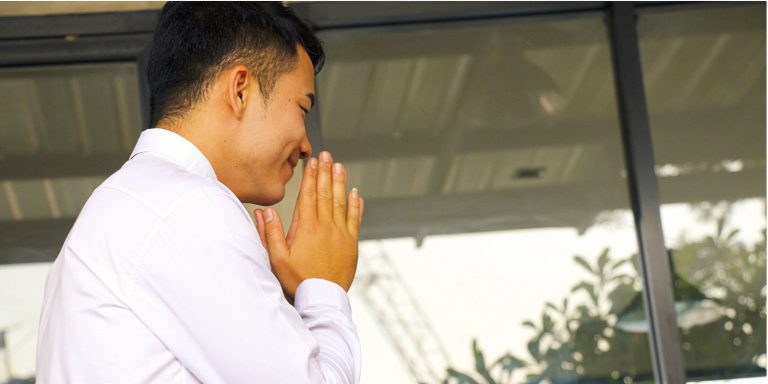
Songkran marks the traditional Thai New Year and is one of the country’s most joyous and widely celebrated festivals. If you’re fortunate enough to be in Thailand during Songkran, you’ll frequently hear the phrase “Sawasdee Pi Mai!” This is the Thai way of saying “Happy New Year!”

(Photo: Suphatthra olovedog/Shutterstock.com)
The most eye-catching aspect of the celebrations is the lively water fights that take over the streets. While these can indeed be enjoyable, Songkran is much more than just a nationwide water battle. Beyond the playful chaos, the festival holds deep cultural significance. It is a time for families to reunite, honour their elders, and take part in meaningful traditions that symbolise renewal and good fortune for the year ahead.
In 2023, UNESCO added Songkran in Thailand to their listings, which recognises cultural heritage.
When is Songkran?
Songkran, Thailand’s traditional New Year celebration, officially takes place from April 13 to 15, with these dates recognised as public holidays nationwide. However, in some parts of the country, festivities begin earlier and continue beyond the official period. For instance, in Chonburi (home to Pattaya), celebrations extend to include the Wan Lai Festival, stretching the fun past April 15.
Historically, Songkran was linked to the solar calendar and the transition of the sun into Aries, marking the end of one astrological cycle and the start of a new solar year. While today the festival is most famous for its playful water fights, its origins are deeply rooted in Thai traditions and beliefs.
Songkran traditions
Water plays a symbolic role in Songkran, representing purification and renewal. Traditionally, the pouring of water is seen as a way to wash away misfortune from the past year and bring blessings for the year ahead. In agricultural communities, this act was also associated with invoking rainfall, essential for a prosperous rice harvest.
If you’re in Thailand, you will find that most Thai people are respectful when pouring water over foreigners. If somebody wants to pour water over you, smile and accept it gracefully.

Cleansing Buddha images
Many Thai towns and cities host ceremonial processions where Buddha statues are carried through the streets, allowing people to pour lustral (holy) water over them as a gesture of respect and devotion.
Honouring family
Younger generations pour fragrant jasmine-scented water over the hands of elders, showing reverence and receiving their blessings in return.

(Photo: ChaiyonS021 / Shutterstock.com)
Building sand pagodas
In many communities, locals bring sand to temples to construct decorative stupas, often adorned with colourful flags. This tradition is a Buddhist act of merit-making. Bang Saen Beach in Chonburi is especially famous for its elaborate sand sculptures during Songkran and the Wan Lai Festival.

(Photo: puwanai / Shutterstock.com)

(Photo: Theera Disayarat/Shutterstock.com)
Sensible Songkran sanuk
Songkran embraces Thailand’s spirit of sanuk — the idea of having fun. Whether it’s children and adults armed with water guns, spontaneous street parties, or people dancing on the backs of pickup trucks, the festival brings an electrifying energy to the streets. Colourful floral-patterned Songkran shirts are a signature sight, adding to the festive atmosphere.
However, while the celebrations are lively, it’s important to be mindful of others:
- Some people may not wish to participate in water fights, and their choice should be respected.
- Instead of using a water gun, consider the traditional method of sprinkling water from a small bowl.
- Don’t squirt water directly at people’s eyes.
- Don’t use a water gun to fire water at Buddha images.
- Generally, water-throwing winds down in the evening. However, in places like Khao San Road and Silom Road in Bangkok, and the party zones in Chiang Mai, the revelry continues late into the night.
Where to celebrate Songkran

(Photo: nuwatphoto / Shutterstock.com)
Songkran is observed across Thailand, but some destinations are particularly famous for their festivities.
Chiang Mai
Often considered the best place to experience Songkran, Chiang Mai hosts grand cultural parades, religious ceremonies, and some of the biggest water battles in the country.
Bangkok
Although the Thai capital is quieter than usual as many residents travel home for the long holiday, there are hotspots like Khao San Road and Silom Road which turn into massive party zones.
Pattaya
Known for hosting one of the most extended and rowdiest Songkran celebrations, Pattaya’s festival stretches beyond April 15, culminating in the Wan Lai Festival on April 19. If you’re in the area, Bang Saen’s stunning sand sculptures are worth a visit — though expect heavy traffic.
Thai islands
While Songkran is observed on islands like Ko Samui, Ko Pha Ngan, and Phuket, the atmosphere is generally more laid-back compared to the mainland. This makes them a great choice for travellers seeking a more relaxed celebration. Each island will still have a party zone where things can get wild (e.g. Patong in Phuket), but Songkran on most of the islands is quieter compared to most mainland areas.
Other areas
For a more traditional and community-centred experience, smaller towns can offer a refreshing alternative. Unique regional celebrations, such as the Hae Nang Kradan Festival in Nakhon Si Thammarat, highlight the diversity of Songkran traditions across Thailand.
Songkran travel tips
If you’re visiting Thailand during Songkran, here are some key things to keep in mind:
• Plan ahead: As one of the busiest travel periods of the year, transportation and accommodations fill up quickly. Booking in advance is highly recommended.
• Stay safe on the roads: Songkran is unfortunately a time of increased road accidents, particularly involving motorbikes. Be extra cautious when travelling. Avoid throwing water at motorcyclists, even if you see others doing so.
• Protect your belongings: Keep electronics, wallets, and travel documents in waterproof bags to prevent damage.
• Embrace the spirit: Songkran is about joy, renewal, and togetherness. If you get splashed, take it in stride, smile, and enjoy the moment!