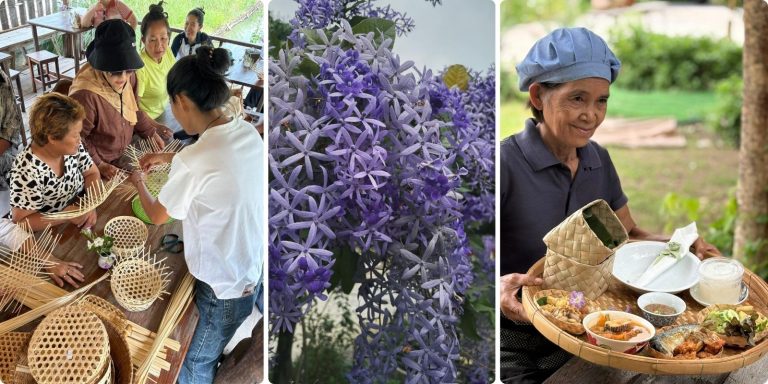
Some of Thailand’s most memorable experiences happen away from the well-worn tourist trail. Sharing a meal with a local family, learning how traditional textiles are woven, exploring with a community guide, or spending a morning alongside farmers and fishers as they go about their daily routines. These moments offer more than a glimpse of another side of the country. They let you connect with local people, learn about their traditions and livelihoods, and understand a destination more deeply than a typical sightseeing itinerary allows.

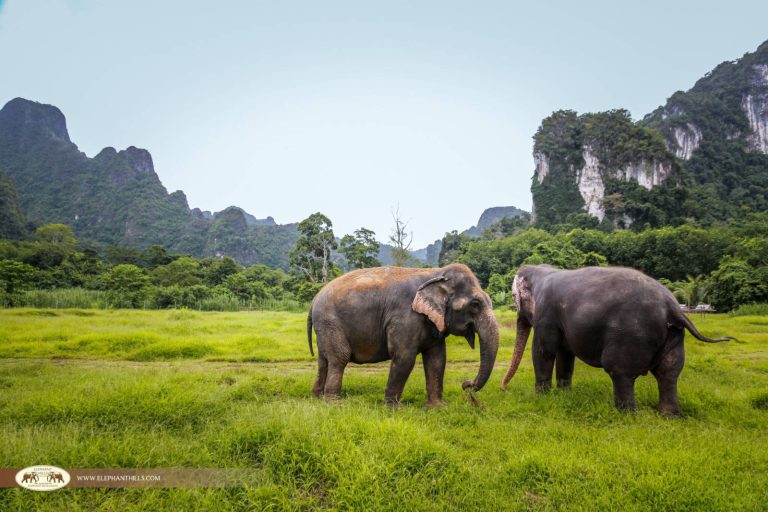
(Photo: Sombat Muycheen / Shutterstock.com)
Staying in locally run accommodation, eating locally produced food, and buying directly from craftspeople can also ensure more of what you spend stays within the destination, rather than flowing out to large, external operators.
Community-based tourism (CBT) brings these elements together with a clear purpose. By involving local residents in how tourism is developed and managed, it aims to create rewarding experiences for travellers while giving communities a meaningful role in tourism and a fairer share of its benefits.
What is community-based tourism?
CBT is a sustainable approach to travel that local communities manage or lead, rather than one built around them with little local input. Instead of outsiders planning tourism for a community, CBT gives residents a genuine say in how visitors experience their home and how tourism income is distributed.
In Thailand, that can mean anything from locally guided treks and homestays to traditional cooking, farming, fishing, and craft experiences. These activities create extra sources of income while helping preserve local knowledge, customs, and skills. Environmental protection also plays an important role, particularly in communities whose traditional livelihoods depend on healthy forests, rivers, or marine environments.

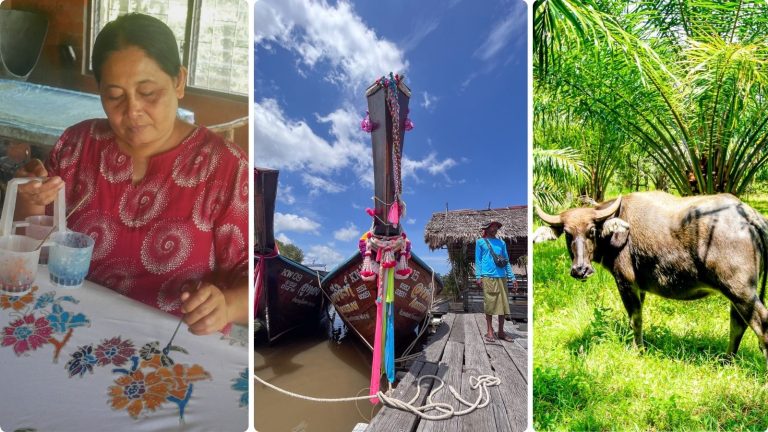
(Photo: Tumlungwahn Community Enterprise Facebook page)
The exchange works both ways. Visitors get the chance to spend time with local people and gain an authentic understanding of everyday life, traditions, and the challenges communities face. Host communities, in turn, get to share their heritage with travellers who genuinely want to learn about it. Done well, CBT builds mutual respect while keeping more tourism revenue where it belongs: with the people who live there.
Why CBT matters
Keeping money local
Hiring local guides, staying in community-run accommodation, eating locally prepared food, and buying directly from craftspeople help keep spending within the local economy. This creates a direct link between what you spend and who you support, rather than income disappearing into the accounts of large, external operators.
Creating local opportunities
Tourism can supplement rather than replace traditional livelihoods. Farmers, fishers, and craftspeople can combine their existing work with guiding, hosting, or selling food and crafts, diversifying household income and giving younger generations a reason to stay in their community rather than move elsewhere for work.
Preserving skills and traditions
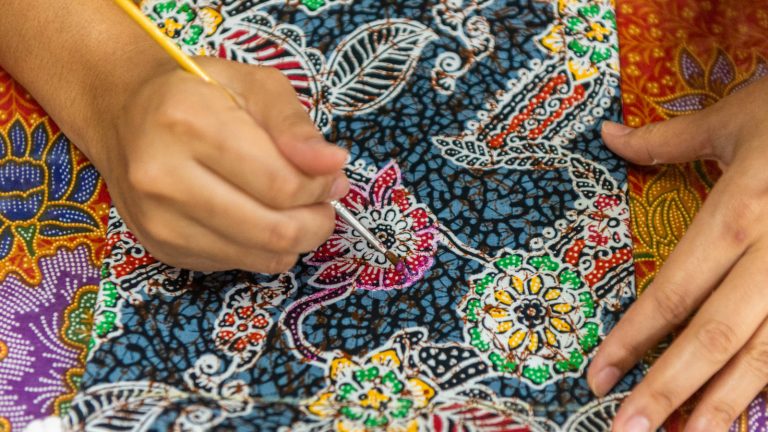
Weaving, pottery, traditional cooking, farming techniques, and fishing methods gain renewed value when visitors want to learn about them through workshops and demonstrations. Tourism can provide an economic incentive to maintain skills and traditions that might otherwise gradually disappear.
Giving communities a voice
Residents decide which experiences to offer, how visitors engage with local life, and what limits are needed so tourism develops around the community’s needs, rather than expecting the community to adapt to tourism’s demands.

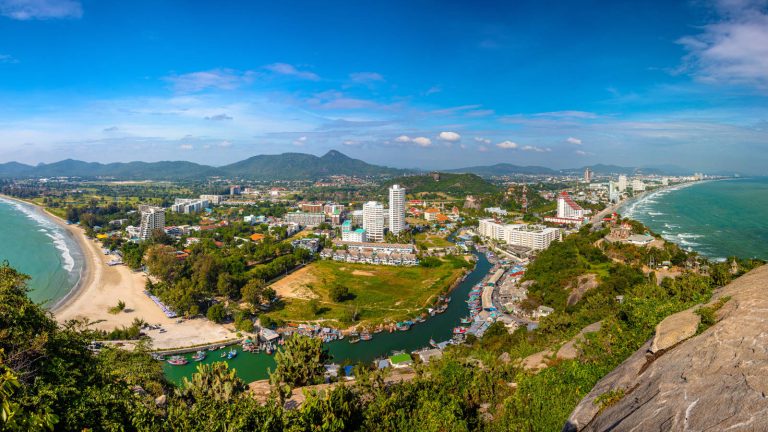
(Photo: TAT Media Assets)
Community-based tourism experiences in Thailand
CBT can take many forms. While an overnight stay in a village homestay offers an immersive experience, you don’t need to spend several days in a remote community to make a positive impact. Joining a locally guided walk, learning a craft, or spending an afternoon cooking with residents can be just as meaningful. Here is a selection of places across the country putting community-based tourism into practice.


How to travel responsibly in Thailand
Supporting local communities doesn’t need to be complicated. Think of yourself as a guest, and extend the same consideration you’d show visiting someone’s home.
Spend locally
Where possible, choose community-run experiences, locally owned accommodation, and local guides. Eating at independent restaurants and buying food, crafts, and other products directly from local producers also helps keep more tourism income within the community. Handmade products often involve considerable time and skill, so while bargaining is part of everyday life in some places, negotiating too aggressively over a small amount can undermine the benefit your purchase provides to the maker.
Respect everyday life
Communities aren’t tourist attractions. People are going about their everyday lives, and visitors should respect their privacy. Always ask before photographing people, particularly children, and be aware that some religious ceremonies, homes, and community activities may not be appropriate to photograph. Following local advice about clothing, behaviour, and cultural etiquette is another simple way to be a considerate guest; if a community has established rules for visitors, there’s usually a good reason.
Choose experiences carefully
Look for activities where local residents are genuinely involved rather than experiences that appear staged primarily for tourists. Consider who is organising the activity, who benefits financially, and whether local culture is being presented respectfully. A good community experience should feel like an exchange, not a performance.
Take your time
CBT works particularly well with a slower approach to travel. Instead of arriving simply to take photographs before moving on, allow time to talk to people, try local food, learn a traditional skill, or explore with a community guide. You don’t necessarily need to stay overnight. Even spending a few hours in a community can be worthwhile when you approach it with curiosity and respect, and ensure some of your spending directly benefits the people who live there.

How to recognise genuine community-based tourism
Not every experience marketed as “community-based tourism” works the same way, and no single label guarantees benefits for local people. A few questions can help:
- Who owns or manages it?
Look for experiences run by the community itself, a cooperative, or residents working together and not just locals hired to serve visitors. - Where does the money go?
Local guides, food, accommodation, and crafts mean more of your spending stays in the community; some enterprises also reinvest profits into conservation or education. - Does the community have a say?
Residents should help decide which activities to offer and what to keep private. - Is it respectful and sustainable?
Interactions should feel genuine rather than staged, and smaller visitor numbers are often better than maximising footfall.
Don’t worry too much about the label itself. A family-run homestay or small food producer can be just as valuable as an official ‘CBT’ enterprise. What matters is whether tourism respects the community and lets people share meaningfully in its benefits.

The bigger picture
Responsible travel isn’t only about your environmental footprint. It’s also about ensuring the people who make Thailand so rewarding to visit get to share in what tourism brings. Choosing locally owned accommodation, buying directly from craftspeople, and travelling a little more slowly all help keep tourism income where it belongs, while giving you a far richer understanding of the places you visit.
No single choice makes you a responsible traveller, but small decisions add up. By thinking about where your money goes and respecting the people and places you encounter, you can genuinely benefit the communities that welcome you.