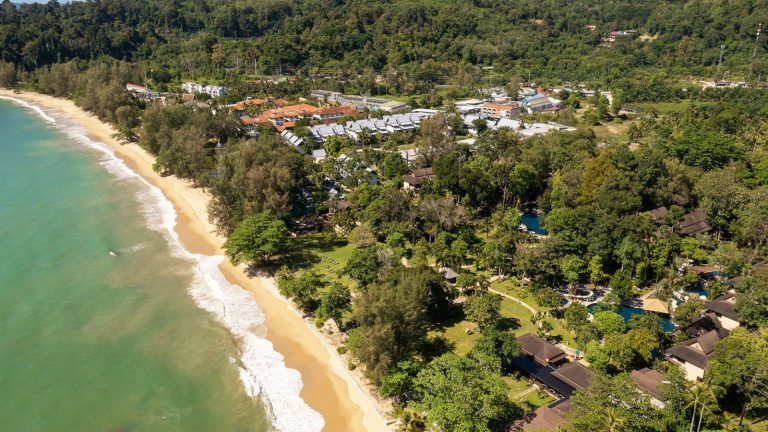
Songkhla is one of those destinations that tends to fly under the radar. Frequent visitors to Thailand may not be familiar with the city and even among Thai travellers, it’s a location that isn’t so well known. However, that is starting to change thanks to initiatives to promote sustainability and culture in the historic Songkhla Old Town district. Travellers who do come here will find one of the best food towns in Thailand, a thriving art scene, historic architecture, and friendly locals. If all that wasn’t enough to tempt you, there’s also a long, inviting beach where you may find yourself to be the only foreign tourist around.

(Photo: Shutterstock)
Songkhla is the name of the city and province. Although Songkhla is the provincial capital, nearby Hat Yai is bigger and attracts more overseas visitors, notably from nearby Malaysia.

(Photo: Sattawat Limkam / Shutterstock)
History of Songkhla
The historic city of Songkhla is located in the far south of Thailand near the Malaysian border. Over 900 km (600 miles) south of Bangkok, this is a city with a long and illustrious history. Previously known as Singora, the city was an important hub for commerce and transport. For centuries before the rise of Hat Yai, Songkhla was the most important city in the region. That regional influence finally subsided in the 1970s with the closure of the railway line to Songkhla and the ending of commercial flights to the airport.
Archaeological excavations in the area have shown that between the 10th and 14th centuries, the city was a major centre of international maritime trade including routes with China. In the early 17th century the Sultanate of Singora was established here. Singora subsequently flourished but its heyday was short-lived. Historians say that after decades of conflict, the city was left abandoned around 1680.
The current city of Songkhla was founded in the 18th century across the strait from where Singora was first established. Huge city walls were constructed in the mid 1800s and remnants of these can still be seen today.
The revival of Songkhla
Songkal continued to thrive as a fishing port and transport hub until it was eclipsed by Hat Yai in the 1970s. The subsequent decline was checked by an ambitious plan. Recognising the need for change, the Songkhla City Municipality organised community forums in 2009. Residents could freely express their concerns and aspirations for the Songkhla Old Town and this participatory approach proved successful. Soon after, the Songkhla Heritage Trust was established and a rehabilitation plan for the city was drawn up. The initiative saw cooperation between local government, private and public sectors, and educational institutions.

(Photo: Roy Cavanagh)
The forward-thinking plans were to showcase the city’s heritage through visual storytelling and by creating spaces for youth and community engagement. Old buildings were restored, museums opened, and street art brightened up unloved walls. The transformation was remarkable and soon led to a rise in visitor numbers, particularly southern Thai and Malaysian travellers.
What to see and do in Songkhla
Songkhla Old Town
One of the best things to do is to simply wander around the Songkhla Old Town area. Local authorities are vying to elevate Songkhla Old Town to the status of a UNESCO World Heritage Site and the area offers a captivating glimpse into the city’s multicultural heritage with its blend of Thai, Chinese, Muslim, and European influences.

(Photo: Roy Cavanagh)
Filled with charming architecture, the Old Town area is compact enough to walk around, but there is also the option of taking a tram or hiring a bicycle. Nang Ngam Road is the heart of the old town, where you’ll find colourful shophouses, antique stores, cosy cafés, and street art depicting scenes of local life. Take your time to explore the old streets and visit artisan shops selling handmade souvenirs and vintage items.

(Photo: Roy Cavanagh)
Hub Ho Hin (Red Rice Mill)
Start your exploration at the restored Hub Ho Hin where you can learn more about the history of Songkhla and get maps with suggested walking routes.

(Photo: Roy Cavanagh)
Local food
Songkhla is known for its delectable seafood and southern Thai cuisine, which tends to be spicier than dishes from some other regions. Head to one of the many seafood restaurants along the waterfront for a feast of fresh crab, shrimp, and fish cooked with aromatic herbs and spices. Kanom jeen with fish curry and khao yum (a southern-style rice salad) are must-try dishes.
Kao Seng Market is known for its fresh seafood and local delicacies and is a great place to try the refreshing o-liang (Thai iced coffee). If you have a sweet tooth, you will love Songkhla Old Town. It has become a haven for ice cream aficionados with a local speciality being coconut ice cream with fresh egg yolk on top together with a sprinkling of Ovaltine.

(Photo: Roy Cavanagh)
Songkhla Walking Street
The weekly Songkhla Walking Street is always a pleasure with the backdrop of the old city wall. The market sets up along Chana Road on Fridays and Saturdays from around 5-10 PM. A charming place to stroll, enjoy tasty street food and buy local products.

(Photo: Roy Cavanagh)
Samila Beach
Samila Beach is one of Songkhla’s most iconic spots, where locals and tourists gather to enjoy the seaside atmosphere. The highlight here for Thai travellers is the Golden Mermaid statue, a symbol of the city inspired by Thai folklore. It’s a popular photo opportunity, especially during sunset, when the statue glows in the fading light. Take a stroll along the sandy beach, enjoy fresh coconut water from nearby vendors, or watch locals flying kites on windy days.

(Photo: Roy Cavanagh)
If you want to extend your beach experience, hop on a small boat to Ko Nu (Mouse Island) and Ko Maeo (Cat Island), two small islets just offshore. These islands offer snorkelling and fishing opportunities, though many Thai people visit them for their legends associated with a cat, mouse, and dog from local mythology.

(Photo: Roy Cavanagh)
Songkhla Lake
Described as Thailand’s largest natural lake, Songkhla Lake is a picturesque spot for boating and birdwatching. The lake is divided into a freshwater and a brackish section, creating a unique ecosystem that attracts various species of birds. You can hire a boat and explore its serene waters, passing floating fishing villages and lotus-covered areas.

(Photo: Suthikait Teerawattanaphan / Shutterstock)
You can also visit Ko Yo Island, located in the lake, which is known for its handcrafted fabrics and authentic local seafood. Connecting Ko Yo with the mainland is the impressive Tinsulanonda Bridge named after a former Thai prime minister who was born in Songkhla (see more below). If you do visit Ko Yo, make time for the interesting Folklore Museum. You can learn much about life in Songkhla and the Deep South of Thailand at this museum which is also home to the Institute of Southern Thai Studies.

(Photo: Shutterstock)
Phathammarong Museum
The Phathammarong Museum is dedicated to Thailand’s former Prime Minister General Prem Tinsulanonda, who was born in Songkhla. The museum is built to resemble his childhood home and provides insights into his life, contributions, and political legacy. Even if you’re not familiar with Thai politics, the traditional architecture of the house and the peaceful gardens around it make it worth a visit.

(Photo: Roy Cavanagh)
National Museum of Songkhla
Located in a beautiful, historic Chinese-style building, the Songkhla National Museum is a must for anyone interested in the region’s history. The museum offers fascinating exhibits on Songkhla’s development, from its early days as a trading port to its modern identity. There are displays of local artefacts, ceramics, and traditional costumes that reflect the area’s multicultural roots.

(Photo: Roy Cavanagh)
Tang Kuan Hill
For expansive views of Songkhla and the surrounding landscape, head to Tang Kuan Hill. You can reach the summit either by taking the cable car or hiking up the steps. At the top, you’ll find a small temple and a white pagoda, along with panoramic views of the city, the lake, and the sea. The area is also home to monkeys, so keep an eye on your belongings.

(Photo: Shutterstock)
Khao Daeng
Located across the strait from Songkhla is Khao Daeng (Red Mountain). If you’re a history buff it’s a fascinating area to explore where you can still see the ancient ruins of some of the forts from the old city of Singora that date back to the 1600s.

(Photo: Shutterstock)
Songkhla Art Centre
Whether you class yourself as an art lover or not, this contemporary art space showcases talented artists from Southern Thailand and is well worth a visit. For details of upcoming exhibitions, check out their Facebook page.

(Photo: Roy Cavanagh)
How to get to Songkhla
There are direct flights to Hat Yai from Bangkok and Chiang Mai. For a more environmentally friendly way to travel, take the sleeper train from Bangkok to Hat Yai and local bus from there to Songkhla.