Are you seeking an ethical elephant experience in Thailand? Look no further than these responsible elephant sanctuaries* that offer a natural and ethical way to see these magnificent animals.
*In Thailand, there are no strict regulations on the use of the word ‘sanctuary’; any elephant centre can describe themselves as a sanctuary. Although this is not a complete list of every ethical elephant centre in Thailand, it is intended as a guide to help you make your own decisions about which facility you should or shouldn’t visit.

Chiang Mai
Burm and Emily’s Elephant Sanctuary (BEES)
A place for old, injured or retired elephants, Burm and Emily’s Elephant Sanctuary (BEES) offers refuge to those elephants that have gone through years of logging or tourist trekking. The organisation is located around a two-hour drive south of Chiang Mai, in a valley surrounded by dense greenery and beautiful mountains – just the kind of place where elephants should spend their golden years.
The volunteer programs at BEES run from Monday to Sunday. The sanctuary focuses on letting the elephants be, and helping out in the overall taking care of the elephants. Activities you can expect to get involved with here include preparing afternoon fruit treats and cutting grass and corn for the elephants, cleaning their areas and helping to care for other resident animals at BEES as well as the rescued cats at the onsite cat cafe. Depending on the sanctuary’s needs, you can get stuck in with a few other things here too, such as cooking classes, joining a weaving club in the local village or tree planting and conservation work.
More information
Elephant Nature Park
Elephant Nature Park is one of the best-known elephant conservation projects in Thailand. Set on the edge of a rainforest in Chiang Mai province, the sanctuary was founded by award-winning conservationist Lek Chailert in 1995. More than 75 elephants roam free here and each has a heart-breaking story: many have been saved from torturous camps that exploit elephants for tourism or logging purposes or other abusive situations.

The refuge is also home to a ragtag menagerie of adopted cats, dogs, and other animals. There are a few different ways to visit Elephant Nature Park with one-day or overnight stays available. Volunteers help prepare fruit and vegetables for the elephants and food for the other animals. Longer volunteer placements are also available here and must be booked well in advance.
More information
Into the Wild
The elephants at Into the Wild are free to roam the emerald forested landscapes and splash in the water. By taking either the half-day or full-day programme, you can follow them on a trek through the jungle, observing the ellies in their natural environment. You will also have a chance to learn about the behaviour, history and ethics of elephant care in Thailand.
The focus here is on responsible and sustainable elephant experiences, ensuring these elephants rescued from a life of logging and tourism can live out their retirement happily and peacefully. As well as giving back to the elephants, Into the Wild also does its utmost to support their neighbours, employing people from the local Karen hill tribe and supporting the local community with supplies.
More information
Kindred Spirit Elephant Sanctuary
Kindred Spirit Elephant Sanctuary, situated in the Sankampaeng district of Chiang Mai province, is dedicated to reintroducing captive elephants to their natural habitat. By collaborating with elephant owners, the local community, research partners, and other organisations, the sanctuary endeavours to create a better future for Thailand’s elephants.
More information
Kanchanaburi
Elephant Haven
The elephants here have freedom to roam and socialise, without hooks or being put on show. In this beautiful setting in Kanchanaburi, you can visit for a single day or stay overnight and wander with the elephants, walking with them through the jungle beside them. There are also one-week volunteering opportunities. Activities include helping to prepare fresh fruit and rice-and-millet ball treats for the elephants and jungle walks, along with feeding and caring for the sanctuary’s resident cats, dogs, goats and other rescued animals.
More information
Elephants World
Elephants World provides a haven for rescued and injured elephants with plenty of space to roam and relax in a lush setting on the banks of the River Kwai. Founded in 2008 by a Thai veterinarian Dr Samart and his wife Khun Fon, the sanctuary is also a self-sustaining farm providing care for the elephants as well as work and home for 130 staff including mahouts.

The refuge started with three elephants and now has 25 animals rescued from logging camps, trekking camps and city begging, operating under the heartfelt ethos: “We should work for the elephants, and the elephants not for us”. Interaction with the animals is respectfully limited. Visitors can watch the elephants foraging, bathing and socialising. You can visit them for the day, stay overnight or volunteer for a week.
More information
Khao Sok
Elephant Hills
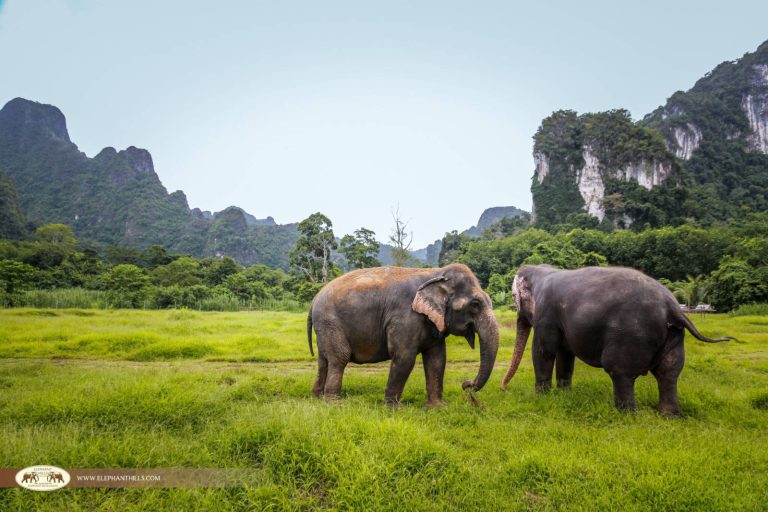
Situated in Khao Sok National Park, Elephant Hills is home to elephants who have been rescued from a life of captivity and are now free to roam the vast jungle area chain-free. The park is constantly working at improving the life of the elephants in its care.
What makes Elephant Hills extra special is the chance to stay at one of the site’s two glamping camps, allowing you to fully immerse yourself in nature. Spend your days kayaking, visiting local markets, trekking through mangrove forests and of course, seeing and learning about the elephants in an ethical and responsible way.
More information
Ko Samui
Samui Elephant Sanctuary
A dozen rescued elephants call these 10 acres of forest at Samui Elephant Sanctuary home. One of the first ethical sanctuaries on Ko Samui, it provides a safe haven for elephants who have previously been overworked or mistreated in the logging and tourist trekking camps. Inspired and supported by the world-renowned Elephant Nature Park in Chiang Mai, the Samui Elephant Sanctuary is the perfect place to watch content and well-treated elephants in their natural habitats. Visitors are only allowed to walk with and observe the elephants as they forage, socialise, and play in their custom-built pool and mud pit.
More information
Lampang
Friends of the Asian Elephant Hospital
As one of the only elephant hospitals in the world, the Friends of the Asian Elephant (FAE) Hospital is a special elephant experience in Thailand. The centre is dedicated to treating and rehabilitating sick elephants on-site in Lampang while its mobile vet clinic treats sick, weak and injured elephants all over Thailand.
Visitors are welcome at the hospital, and here you can learn about how these professionals take care of injured and disabled elephants and treat their injuries. Seeing the vulnerable elephants being treated is quite a leap from seeing the treatment of small domesticated animals, making this a fascinating stop-off. This donation-based hospital has treated over 5,000 elephants since 1993 and truly needs visitors and volunteers to help ensure its future. Volunteer activities include preparing food for the elephants and cleaning their areas.
More information
Pattaya
Pattaya Elephant Sanctuary
This is a small sanctuary located near Pattaya with a herd of just three elephants. Half-day visits are in small groups, and include feeding, going on a jungle walk with the animals, and the chance to watch them bathe.
More information
Phang Nga
Phang Nga Elephant Park
This family-run elephant facility in Phang Nga province has been open since 2015, but elephants have been a part of this family’s life for over 150 years. Phang Nga Elephant Park prides itself on elephant welfare, constantly learning and improving to provide the best quality of life for the elephants.

Spend your day in the thick forest where the elephants roam, watching them go about their daily routine and helping to plant food as part of the park’s conservation programme. Don’t miss a visit to the education centre to learn about the history of the Asian elephant and why elephant conservation is so important in Thailand.
More information
Phetchaburi
Wildlife Friends Foundation
Wildlife Friends Foundation Thailand (WFFT) is not only home to elephants, but also to a variety of other animals including big cats, bears, primates, and deer. The sanctuary and wildlife hospital rescues, rehabilitates and shelters all kinds of animals from abuse. Most of the 600-plus animals have been saved from horrible conditions or were abandoned after becoming unwanted pets.
The sanctuary offers full or half-day excursions at the elephant refuge and wildlife rescue centre. As an Elephant Refuge volunteer, you will help to prepare the food for the elephants, clean their enclosures, and assist with a variety of other maintenance work around the centre.
More information
Phuket
Phuket Elephant Sanctuary
Phuket Elephant Sanctuary shelters sick, old and overworked elephants that have been rescued from abuse in the tourism and logging industries. Another sister project by Save the Elephant Foundation, the sanctuary is leading the way when it comes to the ethical treatment and rehabilitation of retired and rescued elephants in Southern Thailand. Visitors can observe the elephants from a treetop observation deck as they graze or splash in the freshwater lagoons and hydrotherapy mud pools.
More information
Sukhothai
Boon Lott’s Elephant Sanctuary (BLES)
Boon Lott’s Elephant Sanctuary (BLES) is a small, intimate affair in Sukhothai. The rescued elephants roam freely over 600 acres of forested land of banana plantations, grasslands, fresh-water rivers and open fields. BLES was founded by animal-loving Katherine Cooper who left a successful career in the UK. The sanctuary also features a cat and dog home on the grounds.

With just three guesthouses, visitor numbers are kept intentionally low to ensure the well-being and quality of life for the small herd of rescued elephants who live here. Most people stay at BLES for a handful of nights, spending their days watching elephants on the grazing grounds and taking a swim in the river, or getting to know the village mahouts.
More information
Surin
The Surin Project
One of the main issues around elephant abuse in Thailand is that the traditional trainers – mahouts – find it hard to make a living and consequently feel forced to turn to unsustainable tourism for income. The Surin Project in Baan Tha Klang, northeast Thailand, works to reduce that problem, taking in the mahouts and their elephants to keep them off the streets.
Nearly 200 mahouts and elephants live in the centre; the mahouts are given employment and the elephants are free from chains to roam on forested land. Volunteers are essential to the project’s survival. A one-week minimum volunteering stint is required, giving you plenty of time to get to know the culture of the mahouts and this valuable work.
More information
Tak

Mahouts Elephant Foundation
Mahouts Elephant Foundation is more than just a sanctuary. Set within 36,000 hectares of predominantly native forest, the foundation’s LIFE Project aims to utilise tourism as a means to create economic opportunities for the Karen people while also contributing to the protection of their resident elephants. Additionally, the foundation operates a volunteer program.
More information