Whether you’re a nature lover, wildlife enthusiast, or adventure seeker, Khao Yai National Park offers a perfect escape into the countryside. Spanning over 2,000 square kilometres (around 800 square miles) and stretching over four provinces, Khao Yai National Park incorporates forests, grasslands, mountains, and waterfalls. Located just a few hours to the north-east of Bangkok, this vast area was designated as Thailand’s first national park in 1962. More recently, the park gained UNESCO World Heritage status in 2005.

(Photo: Shutterstock)
Highlights of Khao Yai National Park
Khao Yai Visitor Centre
Before heading out to explore, make a stop at the Khao Yai Visitor Centre to gather information about the park’s trails, wildlife, and safety guidelines. The centre features educational exhibits on the park’s ecosystem, geology, and history. You can also find maps, brochures, and park rangers who are happy to provide recommendations based on your interests.
Haew Suwat Waterfall
One of the best-known landmarks in Khao Yai is Haew Suwat Waterfall, made famous by its appearance in the movie The Beach. This 20-metre high waterfall is a stunning sight, especially during the rainy season when water cascades in full force. The area around the waterfall offers excellent viewpoints for photos, and there’s a short trail that takes you down to the base of the falls where you can cool off in the natural pool.

(Photo: Shutterstock)
Haew Narok Waterfall
If you’re seeking even more dramatic waterfalls, Haew Narok Waterfall is the largest in Khao Yai and plunges a staggering 150 metres in three tiers. The hike to the waterfall is a scenic kilometre-long trail through the forest, offering beautiful views along the way. The final viewpoint allows you to witness the sheer power of the water as it tumbles into the depths below.
Wildlife Spotting
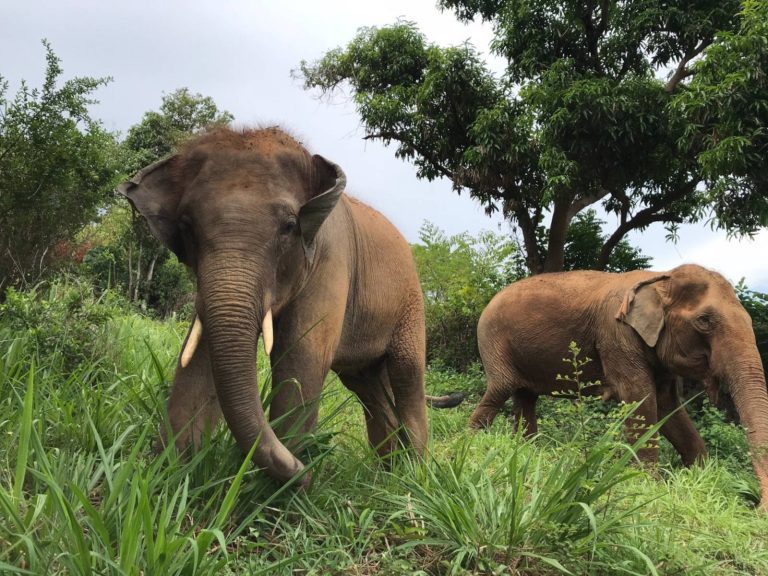
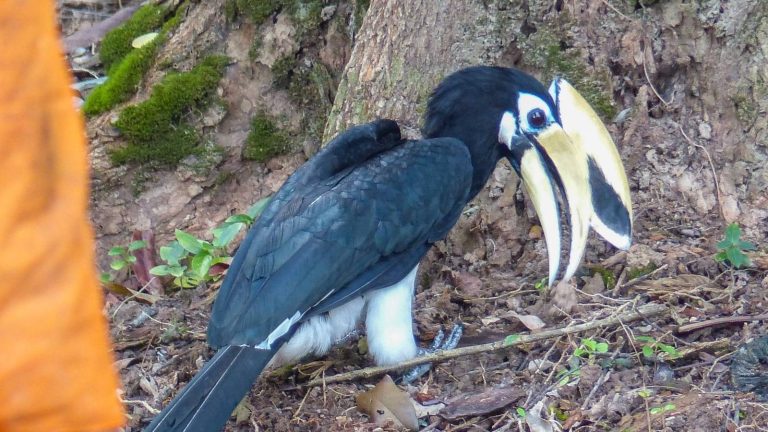
Khao Yai is home to an incredible variety of wildlife, making it one of the best places in Thailand for animal lovers. Some of the park’s most iconic residents include elephants, gibbons, macaques, sambar deer, and the elusive clouded leopard. Birdwatchers will be thrilled to know that the park hosts over 300 species of birds, including the great hornbill and the Siamese fireback, Thailand’s national bird.

(Photo: Shutterstock)

(Photo: Shutterstock)
One of the best ways to see wildlife is by embarking on an early morning or late afternoon safari. Many tour operators offer guided wildlife tours where experienced guides help you spot animals in their natural habitat. Keep an eye out for wild elephants crossing the roads or gibbons swinging through the trees.

(Photo: Shutterstock)
Night Safari
For a truly unique experience, join a night safari. As the sun sets, many of Khao Yai’s nocturnal creatures come to life. You’ll have the chance to see civets, porcupines, and even wild boars. The park organises these tours and it’s an excellent opportunity to witness wildlife under the cover of darkness, accompanied by the sounds of the jungle at night.
Watch the Bats at Khao Luk Chang Bat Cave
As dusk approaches, head to Khao Luk Chang Bat Cave to witness one of Khao Yai’s most incredible natural phenomena. Each evening, thousands of bats stream out of the cave in search of food, forming a long ribbon-like cloud that stretches across the sky. The bats’ exodus lasts for about 30 minutes, and it’s best to arrive just before sunset to secure a good viewing spot. Watching this awe-inspiring spectacle gives you a sense of the diversity of wildlife that lives here.

(Photo: Shutterstock)
Scenic Viewpoints
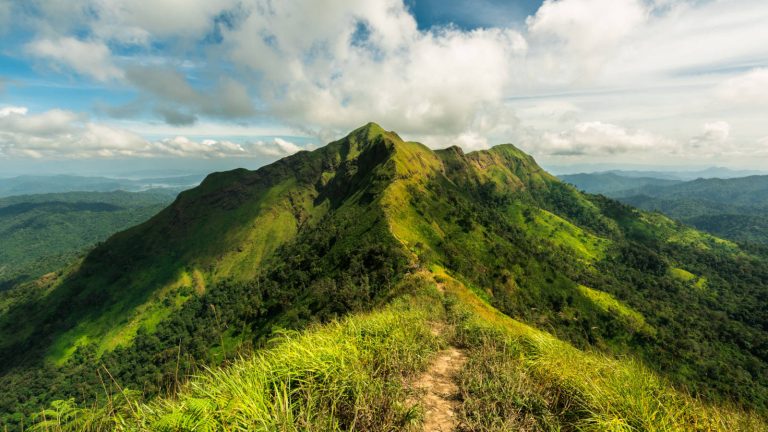
Khao Yai is dotted with scenic viewpoints offering panoramic vistas of the park’s lush landscapes. Two of the best viewpoints are located near the Pha Diew Dai cliff and Khao Khiao. From these vantage points, you’ll get breathtaking views of the surrounding forest, especially during sunrise or sunset when the light casts a golden glow over the mountains.

(Photo: Shutterstock)
Hiking and Trekking
Khao Yai offers a variety of hiking and trekking trails, ranging from short walks to more challenging hikes through dense jungle and open grasslands. Some popular trails include the Pha Kluai Mai Nature Trail, which leads to the picturesque Pha Kluai Mai Waterfall, and the Kong Kaeo Trail, a moderate trek that takes you through thick forest and across rivers.

(Photo: Shutterstock)
If you’re an avid hiker, consider hiring a local guide who can take you deeper into the jungle, where you might encounter wildlife or discover hidden waterfalls and caves. The hiking experience in Khao Yai is truly immersive, with opportunities to experience the park’s flora and fauna up close.
Practical Tips for Visiting Khao Yai National Park
The entrance fee for Khao Yai National Park is 400 THB for foreigners and 40 THB for Thai nationals. Additional fees may apply if you’re bringing a vehicle into the park.
Best time to visit
Khao Yai National Park is a year-round destination. During the cool season (November to February), temperatures are more comfortable and there is a lower chance of rain. March and April can be exceptionally hot and occasionally hazy. The rainy season aka the green season (May to October) is a good time to visit. While you may see some downpours, you will also witness the lush beauty of the landscape and see the waterfalls at their most impressive.
What to bring
Pack comfortable hiking shoes, insect repellent, sunscreen, and a hat. If you plan to trek, carry plenty of water and snacks with you as food options inside the park are limited.
Where to stay
There are several accommodation options within and near the park, ranging from basic camping facilities to more comfortable resorts in the nearby town of Pak Chong. Camping is a great way to immerse yourself in nature, and several campsites within the park offer basic amenities such as bathrooms and showers.
Tours
There are options to do half-day and full-day tours. Similarly, you can also go on a joint tour with others or arrange a private tour for just you and your family or friends. A typical half day tour as part of a joint group costs around 500 Baht with a full day around 1,500 Baht. Admission charge will normally be included, but ask when you make your booking.

(Photo: Shutterstock)
How to Get to Khao Yai National Park
Khao Yai National Park is located about 180 kilometres northeast of Bangkok, making it an easy day trip or weekend getaway from the capital. The nearest town to Khao Yai National park is Pak Chong and this is where trains and buses will arrive.
Train
Trains depart from Bangkok’s Krung Thep Aphiwat main station. The nearest train station to Khao Yai National Park is Pak Chong. Journey time is around four hours and travelling in a no-frills 3rd class carriage on the ordinary local train will cost less than 100 Baht.
If you have booked accommodation, your hotel or guest-house may send transport to pick you up. This is true too if you book a tour via a hotel or guest-house.
Bus or Minivan
Buses and minivans to Pak Chong depart frequently from Bangkok’s Mo Chit Bus Terminal. Once in Pak Chong, you can hire a taxi or take a songthaew (a shared open-air truck) to the park’s entrance.
Car
Travelling by car allows flexibility to explore the park. If you don’t have a licence or don’t like the idea of driving yourself in Thailand, you can hire a car with a driver from Bangkok. Journey time is around three hours.
Getting around the park
Once you arrive at Khao Yai, you can rent bicycles or join a guided tour to explore the park’s vast interior. There is an option to rent motorbikes but you should only do this if you are an experienced rider with the appropriate licence and insurance.