Mahouts Elephant Foundation (MEF) was the winner in the Animal Welfare category at the Responsible Thailand Awards 2023. A UK-registered charity, MEF is dedicated to improving the welfare of captive working Asian elephants. Mahouts Elephant Foundation also recognises the vital role of the indigenous Karen mahouts (elephant handlers).
“Mahouts Elephant Foundation is … An exemplary project caring for and rewilding elephants that have been exposed to cruel practices. An exceptional coming together of welfare for rescued elephants, benefit to the Karen community, and instructive tourism.”
Responsible Thailand Awards judging panel

The work of Mahouts Elephant Foundation
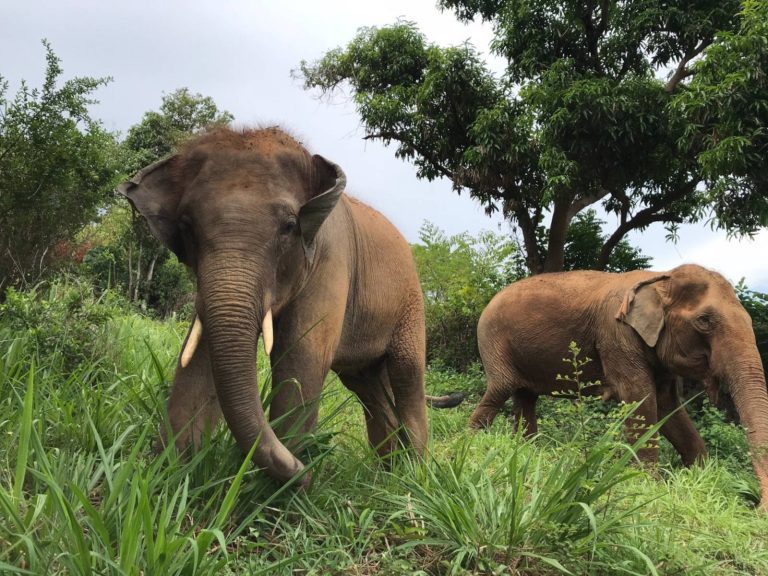
Mahouts Elephant Foundation rescues elephants that have been exploited in the tourism industry. MEF then relocates them to protected forest areas in various projects across Thailand. MEF’s inclusive approach benefits not only the elephants but also the local community and the natural environment.
The foundation knows it is imperative to support the mahouts and has developed community-driven solutions that allow the elephants and their handlers to thrive together. In direct partnership with the mahouts, MEF adopts a safari-style model of elephant tourism. This means the mahouts don’t need to take the elephants to work in tourist areas and instead can keep their elephants close to their home village.

(Photo: Mahouts Elephant Foundation Facebook page)
In North Thailand, MEF works with Karen hill tribe mahouts at the LIFE (Living In the Forest with Elephants) project. This innovative project is designed to be replicated in other suitable areas in Thailand. Previously, the villagers in this remote area had few work opportunities and often sold their elephants to the tourist industry. However, the Mahouts Elephant Foundation’s collaboration with other Karen communities has demonstrated a beneficial alternative for the villagers, the elephants, the mahouts, and the forest.
(Video from Mahouts Elephant Foundation Facebook page)
Meet the Blaine family
After years of visiting Thailand, British couple Sarah and Felix Blaine, with the support of their children Joe and Natasha, founded the Mahouts Elephant Foundation. Prior to establishing MEF, the Blaine family had dedicated their time to volunteering at an elephant centre and learnt more about the complex issue of elephants in Thailand’s tourism industry. Subsequent trips to Thailand allowed them to gain further insight, as they explored trekking camps and genuine sanctuaries, experiencing the multifaceted nature of this emotive subject.
“When visiting Thailand please do your research and choose carefully where you spend time with elephants. Always think about what is best for the elephant rather than ticking off a bucket list desire.”
Sarah Blaine
MEF encourages responsible travel and asks tourists to consider visiting sanctuaries and projects that share their vision for elephant welfare. The foundation works with elephant facilities and mahouts around Thailand to find ways to improve the lives of the elephants and their handlers.

(Photo: Mahouts Elephant Foundation Facebook page)
Q&A with Sarah Blaine
What is your response to people who say all Thailand’s captive elephants should be released into the wild?
“When people say all of the captive elephants in Thailand should be released into the wild it raises an interesting discussion; one of the major threats to wild Asian elephants is habitat loss. Their natural habitat is being lost at an alarming rate due to development and farming. There are large national parks and protected forest in Thailand but these areas are often fragmented meaning the natural movement of elephants is disturbed leading them to come into contact with humans creating human-elephant conflict.
I feel with research and management of these remaining forested areas there could be more captive elephants allowed in these areas, possibly with mahouts becoming more like rangers to keep them safely within the habitat. Elephants need a lot of space to roam and forage for vegetation and I believe this is possible to achieve with a vision of creating more projects like ours in these large forested areas.”
What advice do you have for anybody planning to visit an elephant centre in Thailand?
“When visiting Thailand please do your research and choose carefully where you spend time with elephants. Always think about what is best for the elephant rather than ticking off a bucket list desire. We believe the only way forward is to simply observe elephants from a safe and respectful distance.”
Visiting Mahouts Elephant Foundation
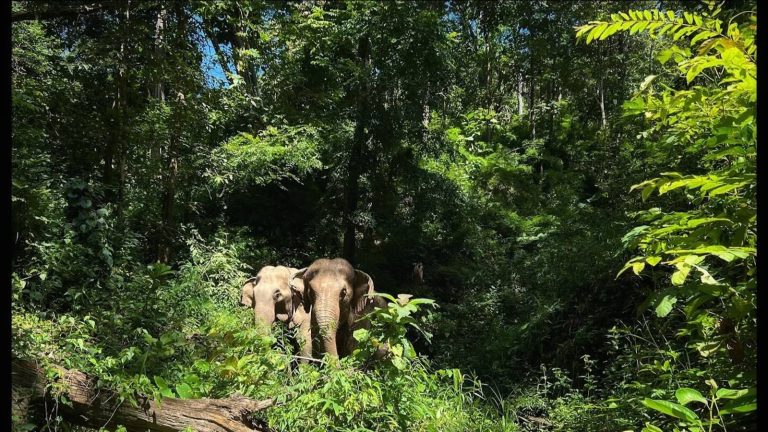
Visiting any of MEF’s projects directly supports the well-being of both elephants and mahouts. If you travel to Thailand, you can explore the LIFE (Living In the Forest with Elephants) project. This project is based in a remote village in northern Thailand near the Myanmar border and features a vast forest where formerly captive elephants can roam freely. The elephants are monitored by their mahouts to ensure their safety and well-being, with regular daily or weekly check-ins as needed.
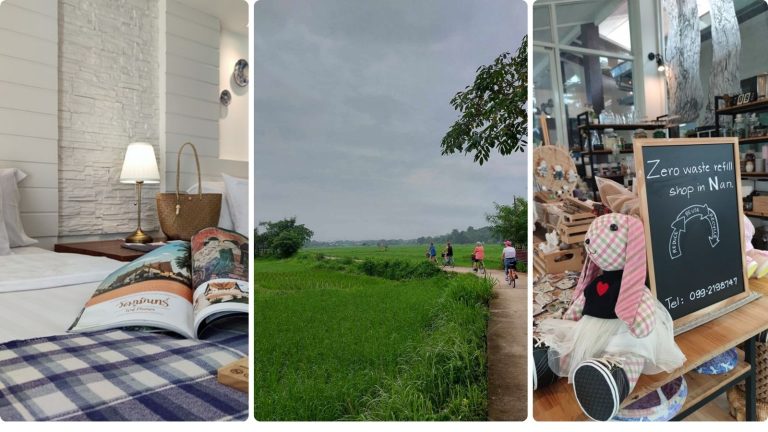
In 2018, the community received homestay certification after meeting the stringent criteria set by the Tourism Authority of Thailand Homestay Standard. This certification allows visitors to stay in the village, promoting community-based tourism that benefits everyone involved.

(Photo: Mahouts Elephant Foundation Facebook page)
Immerse yourself in Karen culture during a 4-day adventure in the heart of the jungle, where you will be welcomed into a Karen hill tribe community. Hosted by a Karen family, you will become part of the community, learning about their traditions and way of life. Under the guidance of local mahouts, you will spend time with the elephants, tracking them through the forest and discovering their habits and activities.

(Photo: Mahouts Elephant Foundation Facebook page)
For more details on Mahouts Elephant Foundation or to arrange a visit or support them, check the links below:
https://www.mahouts.org/
https://www.facebook.com/mahoutselephantfoundation
All photos and videos used in this article are from the Mahouts Elephant Foundation Facebook page