Responsible travel begins long before you arrive in Thailand. From choosing where to stay to booking activities, your holiday planning decisions can positively impact the places you visit and the people who live there.

(Photo: rivermartin / Shutterstock.com)
Travelling responsibly doesn’t mean giving up comfort, avoiding popular destinations or trying to make every aspect of your holiday perfect. It’s about making informed choices, respecting local communities and finding ways to enjoy Thailand while helping to protect what makes the country special.
Whether you’re planning your first visit or returning to Thailand, these practical tips will help you prepare for a more thoughtful and rewarding journey.
Choose accommodation that makes a difference
Where you stay can influence how your holiday benefits local communities and the environment. Thailand offers an increasingly diverse range of accommodation options, from small, family-run guesthouses and community homestays to luxury resorts with meaningful sustainability initiatives.
When researching accommodation, look beyond claims of being ‘eco-friendly’ or ‘green’. Consider whether a property employs local staff, supports nearby businesses, reduces unnecessary waste and takes practical steps to conserve water and energy.
Some hotels work with local farmers and producers, while others support conservation projects or community development initiatives. Larger resorts can also make a positive contribution by embedding sustainability in their operations rather than treating it as a marketing exercise.
Independent accommodation and community-based tourism initiatives can help you connect with local people while ensuring more of your holiday spending stays within the destination.
How to choose responsible accommodation in Thailand

Book ethical tours and experiences
Thailand offers an extraordinary range of activities, including wildlife watching, trekking, snorkelling, diving, cycling and cultural experiences. Choosing the right operator can significantly affect both your enjoyment and the impact of your visit. Before booking, take time to research the company. Look for operators that employ knowledgeable local guides, respect environmental regulations, and clearly explain how they manage their activities.
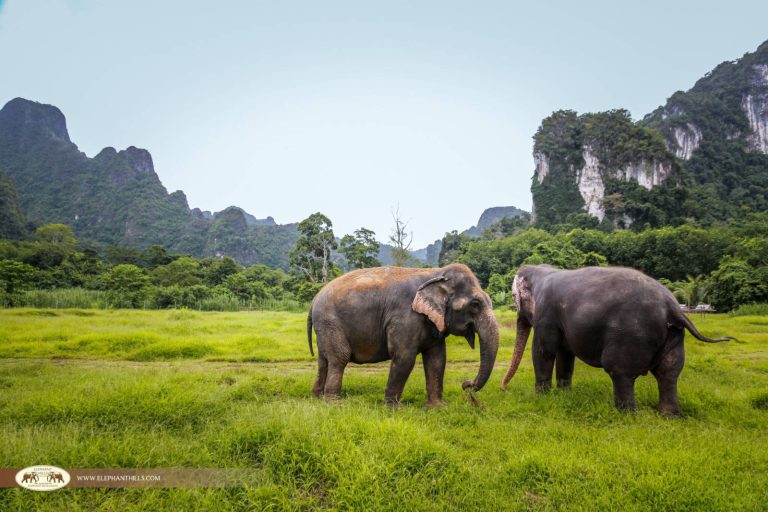
For wildlife experiences, animal welfare should always come first. Avoid attractions offering elephant rides, performances, or activities that force interaction with wild animals. Instead, seek out ethical wildlife experiences that prioritise animal welfare, appropriate habitats and observation without unnecessary disturbance.
For marine activities, choose operators that follow Thailand’s regulations and promote responsible snorkelling and diving practices. This includes avoiding contact with coral reefs, keeping a safe distance from marine life, and ensuring guests receive proper guidance.
Be cautious of experiences advertised as ‘ethical’ or ‘sustainable’ without explaining what those terms mean in practice.
Learn about Thai culture and customs
Understanding a little about Thailand’s culture before travelling can make everyday interactions more enjoyable and help you avoid unintentionally causing offence. Thailand is generally welcoming and relaxed, but respect for others, particularly older people, religious figures and cultural traditions, remains an important part of daily life.
A few things are worth knowing before your trip:
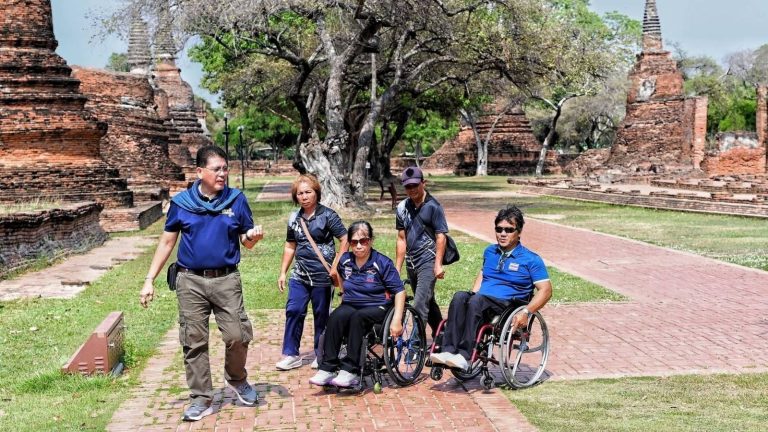
- Temple etiquette: Dress modestly when visiting Buddhist temples, covering shoulders and knees where required. Remove shoes before entering temple buildings.
- Respect for Buddhism: Treat Buddha images and religious objects respectfully. Avoid climbing on statues or posing inappropriately for photographs.
- The Thai monarchy: Thailand has strict lese majeste laws. As a foreign visitor, avoid discussions about the monarchy.
- Personal interactions: Remaining calm and polite is generally more effective than raising your voice or displaying anger.
- Photography: Ask permission before photographing people, particularly in villages, markets and places of worship.
- Thai National Anthem: The anthem is sometimes played in public spaces at 8 AM and 6 PM. If you are at a market, bus station, or other public space where the anthem is played, follow the Thai people around you and stand still for a moment.
Learning a few Thai phrases is another simple way to show respect. Even basic greetings such as sawatdee (hello) and khop khun (thank you) are usually appreciated.
You don’t need to understand every cultural detail before arriving. Showing consideration, observing local behaviour and being willing to learn will go a long way.

(Photo: Roy Cavanagh)
Pack thoughtfully and reduce waste
Packing responsibly doesn’t require specialist equipment or expensive products. A few practical items can help reduce unnecessary waste throughout your holiday. A reusable water bottle is useful, particularly if your accommodation provides drinking-water refill stations. A lightweight shopping bag can cut down on plastic bags, while a reusable container or cup can help when buying takeaway food and drinks.
Thailand’s tropical climate also makes sun protection important. Consider protective clothing, a hat and shade alongside sunscreen, especially when spending time on beaches or taking boat trips. If you plan to snorkel or dive, be mindful of the potential environmental impact of personal-care products. No sunscreen should be considered completely harmless to marine ecosystems, and some ingredients are restricted in Thailand’s national parks. Protective clothing and avoiding unnecessary contact with the water immediately after applying products can help reduce your impact.
Pack appropriate clothing for temples and rural communities, and consider a lightweight cover-up you can use when needed.
It’s also worth bringing essential personal items rather than relying on disposable alternatives throughout your trip. The aim isn’t to pack perfectly. It’s to make a few sensible choices that reduce waste and make travelling easier.
Plan how you’ll get around
Thailand has an extensive transport network, including trains, buses, domestic flights, ferries and urban public transport. Depending on your itinerary, combining different forms of transport can let you see more of the country while cutting unnecessary journeys. For example, travelling by train between Bangkok and Chiang Mai offers a different perspective from flying. In Bangkok, the BTS Skytrain and MRT offer convenient alternatives to taking a taxi everywhere.
When planning island visits, consider spending more time in fewer destinations rather than taking multiple short boat trips. This can reduce transport-related impacts while giving you more time to appreciate each place.
It’s also worth researching local transport options before arriving. In some destinations, walking, cycling, or using shared transport may be a practical alternative to hiring a private vehicle. However, responsible travel is also about making realistic choices. Thailand is a large country, and domestic flights or private transport may sometimes be necessary.
Support local businesses and communities
One of the simplest ways to make your holiday more beneficial to local communities is to think about where your money goes. Eating at independently owned restaurants, buying from local markets and choosing locally operated tours can help support livelihoods across Thailand.
Community-based tourism provides another opportunity to make a positive contribution. Across the country, local residents organise activities that introduce visitors to traditional crafts, regional food, farming practices, and everyday community life. These experiences can offer a more personal understanding of Thailand while providing income that helps communities maintain their traditions and protect local resources.
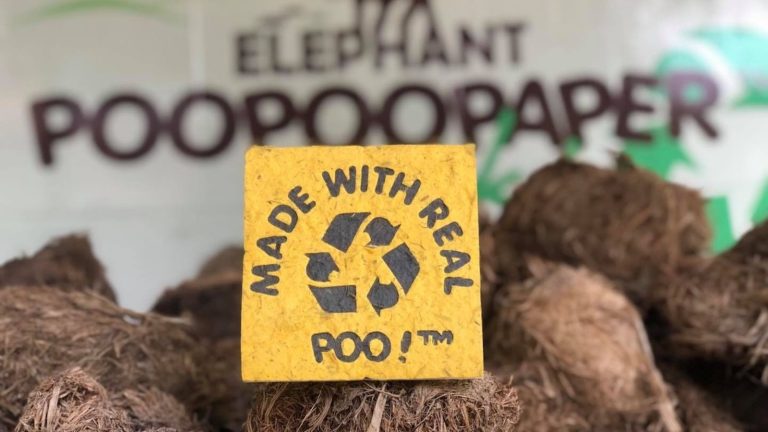
When buying souvenirs, consider purchasing directly from craftspeople or recognised community enterprises. Handmade textiles, ceramics, basketry and other traditional products can make meaningful reminders of your trip. Be respectful when bargaining, particularly when dealing directly with small-scale producers. A modest saving for a visitor may mean a much larger amount for the seller.
You don’t need to avoid international businesses entirely. Simply making room in your itinerary for locally owned enterprises can help spread the economic benefits of tourism.

(Photo: Roy Cavanagh)
Look beyond sustainability claims
As interest in responsible tourism grows, more hotels, attractions and tour operators are promoting their environmental credentials. Many are making genuine improvements, but others use vague claims that can be difficult for travellers to assess. Terms such as ‘eco-friendly’, ‘green’, and ‘sustainable’ don’t necessarily mean a business operates responsibly.
Before booking, look for specific examples of what a company is doing. Does it explain how it reduces waste or energy consumption? Does it employ local people and support community initiatives? Are its wildlife activities based on recognised animal welfare principles?
Independent certification can provide useful reassurance, although standards vary and certification alone doesn’t guarantee a business is responsible in every area. Be particularly cautious of activities that use conservation or animal welfare language while encouraging practices that may harm wildlife or sensitive environments.
You don’t need to investigate every booking in detail. Asking a few questions and looking for credible evidence can help you make better-informed decisions.
Travel at a slower pace
It’s tempting to pack as many destinations as possible into a Thailand itinerary, particularly on a first visit. However, travelling at a slower pace can be more rewarding and less disruptive to the places you visit. Spending several nights in one destination gives you time to visit local markets, try regional dishes and discover experiences beyond the main tourist attractions.
It can also reduce the number of transport connections you need to make. Instead of trying to visit Bangkok, Chiang Mai, Phuket, Krabi, and Ko Samui on a short holiday, focus on one or two regions and spend more time in each. You may find that having fewer places on your itinerary creates more opportunities for meaningful experiences.
Slower travel doesn’t necessarily mean staying in remote locations or avoiding popular destinations. Even in busy places such as Bangkok and Phuket, taking time to engage with local communities and businesses can make your visit more rewarding.

(Photo: Pratan Saetang / Shutterstock.com)
Prepare for Thailand’s natural environment
Thailand’s landscapes are among its greatest attractions, from tropical rainforests and national parks to coral reefs and marine ecosystems. Before travelling, familiarise yourself with any regulations or seasonal restrictions that affect the places you plan to visit. Some national parks and marine areas close temporarily during certain seasons to protect ecosystems, support natural recovery, or manage visitor safety.
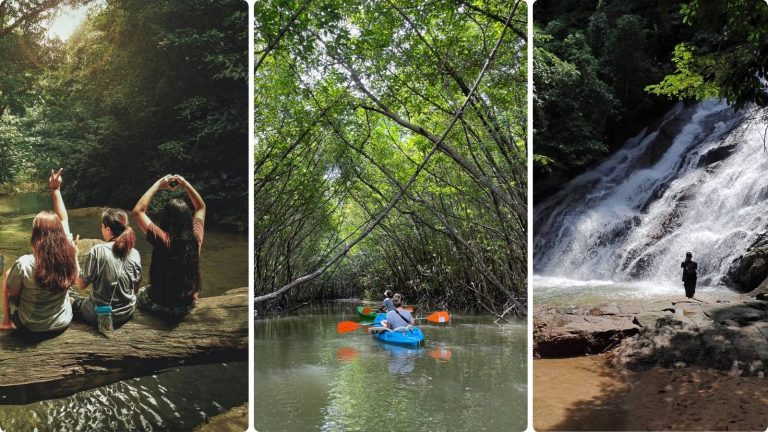
If you’re planning outdoor activities, research local conditions and, where appropriate, choose experienced guides. When visiting natural areas, stay on designated trails, follow park regulations and avoid disturbing wildlife. Never feed wild animals or remove plants, shells, coral or other natural materials.
For beach holidays, remember that coral reefs are fragile living ecosystems. Responsible snorkelling and diving operators should explain appropriate behaviour before entering the water.
A little preparation helps ensure your visit supports the long-term protection of Thailand’s natural attractions.
Make responsible choices throughout your journey
Planning a responsible holiday doesn’t end when you’ve booked your flights and accommodation. Once you’re in Thailand, you’ll have opportunities every day to make thoughtful choices. These might include choosing a local restaurant, declining unnecessary plastic packaging, respecting cultural traditions or selecting an activity that benefits the surrounding community.
Not every decision will be straightforward, and convenience, accessibility, budget, or time may shape your options. Responsible travel isn’t about achieving perfection. It’s about recognising that individual choices matter and making positive decisions wherever practical. By preparing thoughtfully and travelling with an open mind, you can enjoy everything Thailand has to offer while supporting the people, communities, and environments that make it such an amazing place to visit.