From elephants roaming through forests to gibbons calling from the treetops and whales surfacing in the Gulf of Thailand, wildlife encounters can be some of the most memorable experiences of a trip to Thailand. However, not all wildlife activities are created equal. Some experiences support conservation and help visitors better understand Thailand’s natural environment. Others can disturb wildlife, encourage unnatural behaviour or prioritise entertainment and photo opportunities over animal welfare.

For travellers, it isn’t always easy to tell the difference. Words such as ‘sanctuary’, ‘rescue’ and ‘ethical’ can sound reassuring, but a name or marketing claim doesn’t necessarily tell you how animals are treated. A good starting point is to look for experiences where observing natural behaviour is more important than interacting with the animal.
What makes a responsible wildlife experience?
Responsible wildlife tourism puts animal welfare and habitat protection ahead of the visitor experience. In the wild, animals should be able to decide whether they come close to people. They shouldn’t need to perform, pose for photographs or rely on tourists for food.
When researching an activity or tour, look for operators that keep groups manageable, maintain appropriate distances from wildlife and employ knowledgeable guides who explain the animals, their habitat and the conservation challenges they face. Be cautious when an experience revolves around guaranteed close contact. Another useful question is, would the experience still be worthwhile if you couldn’t touch the animal or get close to it? If the answer is yes, you’re probably looking in the right direction.
Watching wildlife in the wild
Thailand’s national parks, forests, wetlands and coastal environments offer opportunities to see an extraordinary range of wildlife. Depending on where you visit, you might encounter elephants, gibbons, macaques or hornbills. Offshore, Thailand’s waters are home to whales, dolphins, dugongs, turtles, reef fish and other marine life.
Seeing an animal in its natural habitat can be far more rewarding than seeing one in captivity, but responsible behaviour still matters. Follow park regulations and ranger instructions, stay on designated trails where required and maintain a sensible distance from wildlife. Avoid making excessive noise or attempting to attract an animal’s attention. And accept that you might not see the animal you came looking for. Wildlife isn’t working to a tourism schedule. An operator or guide promising a particular sighting should prompt questions about how they’re achieving that encounter.
Thailand’s Department of National Parks, Wildlife and Plant Conservation (DNP) manages the country’s national parks and protected areas and publishes visitor information and conservation updates.

Choosing an elephant experience
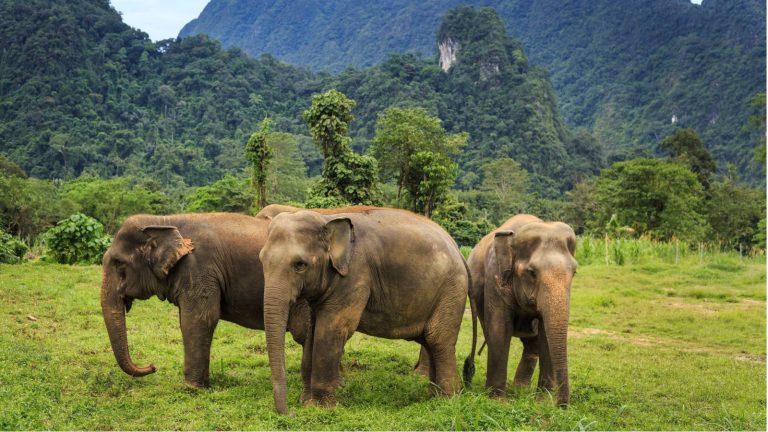
For many visitors, seeing elephants is high on the list of things they hope to experience in Thailand. It’s also one area where careful choices matter most. Elephant tourism has changed significantly in recent years, with increasing emphasis on observation. However, the word sanctuary doesn’t guarantee good welfare standards. Look beyond the name and examine what visitors actually do.
Avoid places offering performances, tricks, riding or activities centred around constant physical contact. Bathing programmes also deserve closer scrutiny if elephants are expected to enter the water and interact with successive groups of tourists. Observation-led experiences let visitors watch elephants eating, walking, socialising, and behaving more naturally, without making close interaction the focus of the visit.
Before deciding which elephant centre to visit, check where the elephants came from, how they are cared for and whether they have the opportunity to move away from visitors.
How to find an ethical elephant sanctuary in Thailand

Whale and dolphin watching
Seeing a whale surface beside a boat or watching dolphins in open water can be unforgettable. However, don’t measure the quality of the encounter by how close the boat can get. Responsible operators allow the animals to dictate the encounter.
Boats shouldn’t chase whales or dolphins, cut across their path or surround them. Vessel speed should be reduced when animals are nearby, and viewing distances should be respected. Thailand’s Department of Marine and Coastal Resources (DMCR) publishes guidance for whale and dolphin watching. This includes advice on vessel speed, approach distances and how boats should behave around marine mammals. Choosing an operator that follows these principles helps reduce disturbance while still providing an excellent opportunity to observe animals in the wild.

(Photo: TAT Media Assets)
Responsible snorkelling and diving
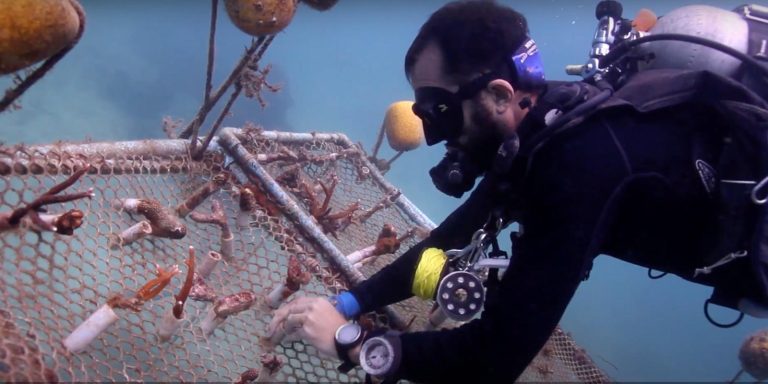
Some of Thailand’s most spectacular wildlife is beneath the surface. Coral reefs support an enormous variety of marine life, and snorkellers and divers may encounter turtles, rays, reef fish, sharks and many smaller species. The basic rule is straightforward: look, but don’t touch.
Avoid touching or standing on coral and don’t collect shells, coral or marine life. Never chase or touch turtles or other animals for photographs, and don’t feed fish to bring them closer. Good diving and snorkelling operators should brief guests on responsible behaviour before they enter the water and intervene if visitors damage reefs or disturb wildlife.
Mooring practices also matter. Anchoring directly onto coral can cause serious damage, which is why protected areas increasingly use designated mooring points. The DNP and Department of Marine and Coastal Resources both provide information about coral reef protection and marine conservation in Thailand.
Protecting Thailand’s coral reefs

Don’t feed monkeys or other wildlife
Monkeys are a familiar sight in many parts of Thailand. You may encounter macaques around temples, beaches, viewpoints, national parks and other tourist areas. It can be tempting to offer them food, particularly when vendors are selling it nearby. Don’t.
Regular feeding can change natural behaviour and encourage animals to associate people with food. It can also bring wildlife into closer contact with humans and increase the potential for aggressive behaviour and conflict. The same principle applies to other wild animals. An animal approaching people for food might make for an ‘entertaining’ holiday photograph, but becoming dependent on tourists isn’t beneficial to wildlife. Store food securely when monkeys are nearby, and follow any local signs or instructions.
Think before taking photos of wildlife
Photography is one of the pleasures of seeing wildlife, but getting the photograph shouldn’t become more important than the animal. Keep your distance and use a zoom lens rather than moving closer. Don’t surround or corner animals, and never use food to lure wildlife into position. Take extra care around nests, breeding areas, and animals with young. If your presence makes an animal change its behaviour, move away.
Sadly, some locations still see unscrupulous people exploit wildlife. Some argue Thai authorities should do more, but as long as tourists keep paying for selfies with monkeys or tiger cubs, it will continue. Sometimes deciding not to take the photograph is the more responsible choice.
What about wildlife rescue centres and sanctuaries?
Not every animal in captivity can simply be released into the wild. Animals may have been injured, rescued from the illegal wildlife trade or spent so long in captivity that returning them safely to the wild isn’t possible. Legitimate rescue, rehabilitation and conservation organisations therefore have an important role to play.
The challenge for visitors is distinguishing these organisations from attractions that use conservation language primarily as a marketing tool. Do some research before visiting. Ask where the animals came from and why they remain in captivity. Find out whether the organisation breeds animals, whether rehabilitation and release are part of its work and how visitors are allowed to interact with them. A genuine rescue centre may still welcome visitors and rely on tourism income, but entertainment and close physical interaction shouldn’t take priority over animal welfare.
When wildlife approaches you
Sometimes you don’t go looking for wildlife. Wildlife finds you. Whether it’s a monkey beside a temple, an elephant crossing a road or a turtle swimming towards you while snorkelling, the best response is usually to give the animal space. An animal approaching voluntarily does not mean it should be touched or fed.
If you encounter a wild elephant, maintain a safe distance and follow the advice of park rangers or local authorities. Don’t approach for photographs or attempt to pass an elephant if doing so could put you or the animal at risk. At sea, let turtles, whales, dolphins, and other marine wildlife determine the encounter rather than pursuing them. A close encounter that happens naturally is very different from one that’s forced.
Before you book: questions to ask
You can’t always know exactly how a wildlife attraction operates before you arrive. But a little research can help. Before booking, ask yourself:
- Can the animal move away from visitors if it wants to?
- Does the activity involve touching, feeding, bathing, posing or performing?
- Will I be observing natural behaviour?
- Are visitor numbers controlled?
- Does the operator explain its animal welfare or conservation policies?
- Are qualified guides, rangers or conservation staff involved?
- Is protecting the habitat part of the experience?
- Would I still want to take part if I couldn’t get close to the animal?
Don’t rely solely on reviews or social media photographs. An experience can receive glowing reviews from visitors and still raise questions about animal welfare. Look at what actually happens during the activity and make your decision from there.
Keep Thailand’s wildlife wild
Responsible wildlife tourism doesn’t mean avoiding wildlife experiences. Done well, tourism can help visitors appreciate Thailand’s biodiversity, support conservation and provide income linked to protecting natural environments. But the most rewarding encounters don’t need to involve touching, feeding or controlling an animal.
Watch a gibbon moving through the forest canopy. Listen for hornbills in a national park. See elephants behaving naturally. Watch a whale surface before disappearing back beneath the Gulf of Thailand. Sometimes the best wildlife experience is simply being there and letting the animal remain wild.