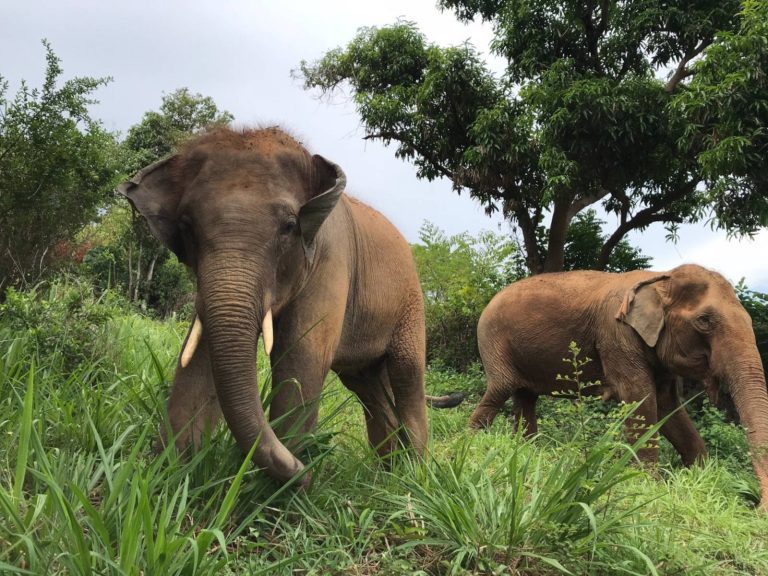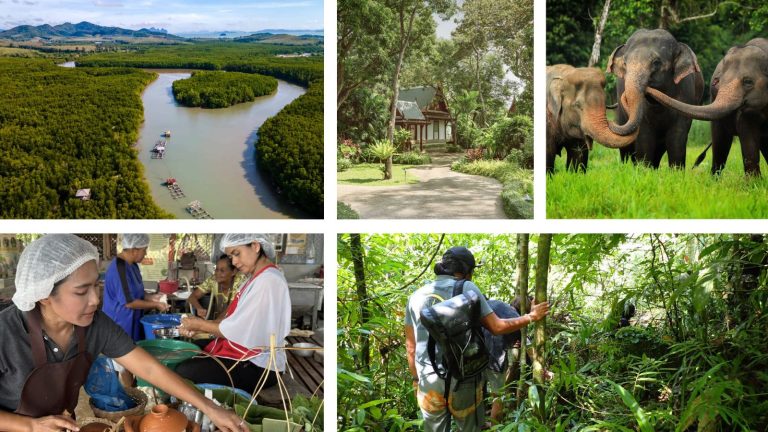
Thailand is home to over 150 National Parks covering all areas of the country. Whether you’re hiking at Doi Inthanon, island-hopping in Mu Ko Surin, or spotting elephants in Kui Buri, visiting these parks is an unforgettable experience. But with natural beauty comes the responsibility to protect it. When travelling in Thailand, please encourage everyone you are with to respect the do’s and don’ts in Thailand’s national parks. Do enjoy yourself, but be aware of the rules.

(Photo: Shutterstock)
✅ Do follow park rules and listen to rangers
Every park may have unique rules, depending on its terrain and wildlife. Pay attention to:
- Posted signs
- Park ranger instructions
- Park websites for seasonal updates
Failure to comply could result in fines for the individual in addition to causing environmental harm.
🚫 Don’t litter
Choose reusable bottles, containers, and eco-friendly toiletries to reduce waste before you even arrive. Even small bits of litter can seriously harm wildlife. Littering at Thailand’s national parks is strictly forbidden and punishable by heavy fines. That includes cigarette butts, wrappers, and fruit peels. Bring a reusable bag to carry out your waste and help protect the ecosystem.
✅ Do respect wildlife and nature
Thailand’s parks protect thousands of species — from wild elephants and hornbills to coral reefs and sea turtles. Admire animals from a distance and avoid playing loud music or making noise that might scare animals.
🚫 Don’t feed wildlife
Never feed or touch wildlife. Whether it’s fish or monkeys, the advice is simple: don’t feed them.
🚫 Don’t disturb marine life
If you’re snorkelling or diving in Thailand:
- Never touch or step on coral
- Don’t feed fish or disturb sea turtles
- Never collect marine souvenirs
- New rules on underwater photography were announced in April 2025.

Many of Thailand’s marine parks close for months each year to help ecosystems recover, so check ahead and plan around these times.
✅ Do use reef-safe sunscreen
Use reef-safe sunscreen or one which uses mineral-based products such as zinc oxide.
In August 2021, stricter laws were introduced to help protect coral reefs in Thailand. Sunscreens that contain harmful chemicals that can damage coral reefs are no longer permitted at any of Thailand’s National Parks. Do not use or bring sunscreen which contains any of these chemicals:
- Oxybenzone (Benzophenone-3, BP-3)
- Octinoxate (Ethylhexyl methoxycinnamate)
- 4-Methylbenzylidene Camphor (4MBC)
- Butylparaben
🚫 Don’t collect anything from nature
Do not collect anything from nature. Whether it’s plants, shells, rocks, or even sand, it’s illegal and disrupts the environment.
✅ Do dress appropriately
While hiking gear and casual clothing are fine, dress modestly in areas near temples or village communities. Wear breathable long sleeves and trousers for sun and insect protection, and use reef-safe sunscreen in marine parks.
🚫 Don’t bring prohibited items
Avoid bringing:
- Single-use plastics, plastic bags and foam containers (banned in many parks)
- Alcohol (although at some parks it may be sold and consumed in specific areas)
- Drones without permission
- Barbecue equipment or open flames outside designated areas
Check signage at the park entrance or on the official Department of National Parks (DNP) website or Facebook page before your visit.
✅ Do stick to marked trails
Many parks have well-marked trails for a reason. Stay on them to avoid damaging sensitive flora and to protect yourself from getting lost.
Seasonal closures are common in places like Doi Inthanon to let nature recover. Always respect trail closures because they’re essential for sustainability.
🚫 Don’t camp without permission
Want to stay overnight in the park? You must book in advance and stay in designated camping or lodging areas. Unauthorised camping is illegal and potentially harmful to wildlife.
Many national parks in Thailand offer tents and bungalows for rent, and this is a great way to support the park and enjoy nature.
✅ Do support local communities
Hiring a local guide helps you explore safely while supporting conservation-focused livelihoods.
Opt for local guides, eat at village-run restaurants, and consider homestays near parks. Supporting community tourism ensures that your money benefits the people who live in and protect these natural areas.