Often overshadowed by better-known destinations in northern and southern Thailand, Ubon Ratchathani is one of the country’s most rewarding provinces for travellers seeking authentic experiences. Situated in Thailand’s northeast, where the Mun and Mekong rivers meet, Ubon offers a rich blend of Buddhist heritage, traditional crafts, spectacular natural landscapes and warm Isaan hospitality.

(Photo: Roy Cavanagh)
Unlike destinations shaped by mass tourism, many of Ubon’s attractions remain closely connected to the communities that created and continue to care for them. Ancient traditions are still very much part of everyday life. Whether it’s monks collecting alms at dawn, families weaving handwoven cotton, or skilled artisans spending weeks carving enormous wax sculptures for the province’s famous Candle Festival.

(Photo: Roy Cavanagh)
Travelling responsibly in Ubon Ratchathani isn’t about sacrificing comfort or missing out on experiences. It’s about slowing down, supporting local businesses and taking the time to appreciate a region where culture, community and nature remain deeply intertwined.

(Photo: Roy Cavanagh)
Experience a living Buddhist heritage
Religion continues to play an important role in everyday life throughout Ubon Ratchathani. Visitors don’t have to look far to discover impressive temples, but the real reward comes from understanding the traditions that surround them.

(Photo: Roy Cavanagh)
The province is renowned throughout Thailand for the annual Ubon Ratchathani Candle Festival, held to mark the beginning of the three-month annual rains retreat period often referred to as, ‘Buddhist Lent’. The first official organised procession in Ubon was in 1901, but it developed from a centuries-old custom of offering candles to monks ahead of the Phansa period. Today, it has evolved into one of Thailand’s most spectacular cultural events. Teams of local artists spend weeks creating giant wax sculptures depicting scenes from Buddhist mythology before the finished masterpieces parade through the city.

(Photo: Roy Cavanagh)
The festival showcases remarkable artistic talent, but it is also a celebration of community spirit. Temples, schools, local businesses and neighbourhood groups all play a part, helping preserve a tradition that has been passed down through generations. If you attend this festival, it provides an opportunity to appreciate living cultural heritage as well as watching a parade.

(Photo: Roy Cavanagh)
Outside festival season, Ubon’s temples remain fascinating places to visit. Wat Thung Si Mueang, with its elegant wooden scripture library, offers a glimpse into the province’s religious history, while Wat Phra That Nong Bua combines traditional Thai and Indian influences in its striking chedi.

(Photo: Roy Cavanagh)
Visitors interested in Buddhist philosophy may also wish to visit Wat Nong Pah Pong, the forest monastery established by the renowned meditation master Ajahn Chah. The peaceful surroundings provide a chance to reflect on the values of mindfulness and simplicity that continue to shape life across rural Isaan.
Support traditional crafts and local artisans
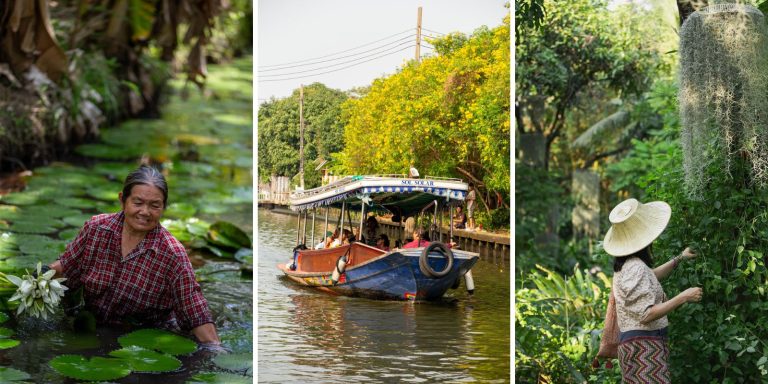
Ubon Ratchathani has long been recognised for its handwoven cotton and silk textiles. Across the province, skilled weavers continue to use techniques that have been passed down through families for generations. In some communities, natural dyes are still produced using locally grown plants, bark and leaves, creating beautiful fabrics that reflect both the landscape and generations of local knowledge. And one of the most meaningful ways to support responsible tourism is by purchasing products directly from the people who make them. People like the artisans at Tohsang Cotton Village.
Tohsang Cotton Village
One of the best places to discover this tradition is Tohsang Cotton Village. Located in Khong Chiam district near the border with Laos, Tohsang Cotton Village demonstrates how traditional craftsmanship can support sustainable rural livelihoods. Cotton is grown locally, woven and naturally dyed before being transformed into clothing and household items. The centre also offers visitors the chance to learn about every stage of production, from spinning and weaving to natural tie-dye workshops.

(Photos: Roy Cavanagh)
By employing local artisans and outsourcing work to surrounding villages, the project helps preserve traditional skills while creating year-round income for the community. Textiles and gifts can be purchased directly from the makers. Every purchase helps sustain local employment while ensuring these valuable skills continue to be passed on to younger generations.
Watching a loom in action is a reminder that true craftsmanship cannot be rushed. A single piece of cloth may take days or even weeks to complete, making each finished item far more than just a souvenir.
Candle-making communities
The same philosophy applies to Ubon’s celebrated candle-making communities. In the weeks leading up to the Candle Festival, temple compounds across the city are transformed into open-air workshops where teams of sculptors, artists and volunteers collaborate to create the giant wax masterpieces that will feature in the annual parade. Visitors are welcome to observe many of these workshops and, at some temples, there are hands-on workshops where you can try some of the techniques yourself.

(Photo: Roy Cavanagh)
Seeing the sculptures take shape provides a deeper appreciation of the remarkable craftsmanship involved and highlights the important role local communities play in keeping this unique tradition alive. Supporting nearby cafes, markets and small businesses during your visit also helps spread the economic benefits beyond the festival itself.

(Photo: Roy Cavanagh)
The weeks before the festival can be just as rewarding as the parade itself. Visiting the candle-making workshops at temples around Ubon offers an opportunity to meet local artisans, watch the intricate carving process and gain a greater appreciation for the teamwork behind each float. Unlike a museum exhibit, these are living workshops where traditional skills are actively being practised and passed from one generation to the next.
Discover community life along the Mekong
Some of Ubon Ratchathani’s most rewarding experiences can be found away from the provincial capital.

(Photo: Roy Cavanagh)
Small towns and villages along the Mekong River offer visitors the opportunity to experience everyday life at a slower pace. Places such as Khong Chiam and Khemarat retain a relaxed atmosphere where local markets, riverside cafes and traditional wooden houses still define the rhythm of daily life.

(Photo: Roy Cavanagh)
Community-based tourism initiatives are gradually creating opportunities for visitors to engage more deeply with local culture. Depending on where you stay, experiences may include learning traditional weaving techniques, joining cooking demonstrations, exploring nearby farms or discovering local history with community guides.
These experiences provide a more meaningful alternative to conventional sightseeing. Rather than simply passing through, youspend time with residents, learn about regional traditions and contribute directly to family incomes.

(Photo: Roy Cavanagh)
For travellers, these encounters often become the most memorable part of a journey. Conversations over shared meals, demonstrations of traditional crafts or stories about life beside the Mekong offer insights that no museum display can match.
Explore Ubon’s natural wonders
Ubon Ratchathani’s natural landscapes are every bit as impressive as its cultural heritage.

(Photo: Roy Cavanagh)
Pha Taem National Park is one of Thailand’s most important archaeological and natural sites. The prehistoric rock paintings, believed to be thousands of years old, provide evidence of early human settlement along the Mekong. Walking trails lead visitors through dramatic sandstone cliffs overlooking Laos, with this most easterly point in Thailand being the first to see the sunrise

(Photo: Roy Cavanagh)
If you visit during the dry season (November-May/June), there is the chance to see Sam Phan Bok, sometimes described as Thailand’s ‘Grand Canyon’. Before the seasonal rains arrive, receding river levels reveal thousands of naturally sculpted sandstone formations carved over countless centuries by the flowing Mekong.
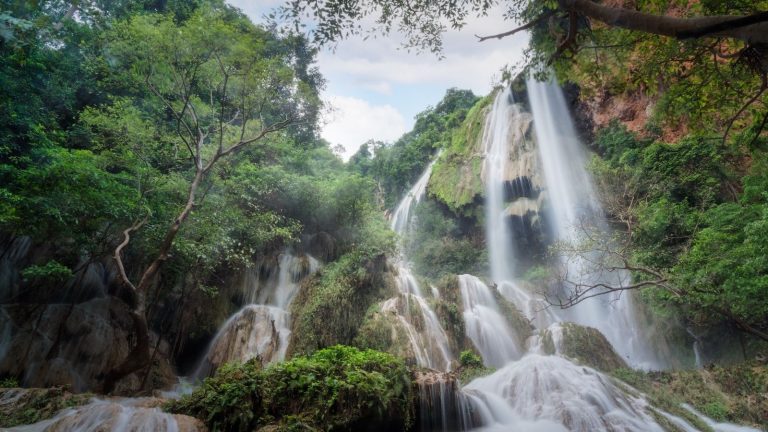
If your visit coincides with the wet season (July-October), you can see one of Ubon Ratchathani’s most unusual natural attractions at its best. Saeng Chan Waterfall is famous for the circular hole eroded through the sandstone cliff behind the cascade. During the rainy season, water pours through this natural opening to create a striking curtain of water, offering a unique perspective for visitors standing behind the falls.

(Photo: Roy Cavanagh)
The surrounding area is peaceful and less visited than many of Thailand’s better-known waterfalls, making it an ideal destination for travellers who enjoy exploring nature away from the crowds. Visiting during the green season, when water levels are at their highest, provides the most dramatic views. Help preserve this environment by staying on marked paths, taking any litter away with you and respecting the natural surroundings.
Eat local and support small businesses
Food offers another excellent opportunity to travel responsibly. Isaan cuisine is famous throughout Thailand for its bold flavours, with dishes like tom saap, gaeng om and som tam pla. Don’t be afraid to try local specialities, and if you aren’t a huge fan of spicy food, there is always gai yang (grilled chicken) served with khao niao (sticky rice), which is a classic Isaan dish too. With a history of migration from China and Vietnam to this region, Ubon also has a host of excellent Vietnamese and Chinese-style eateries.

(Photos: Roy Cavanagh)
Morning markets overflow with seasonal fruit, locally grown vegetables, freshwater fish from the Mun and Mekong rivers, fragrant herbs and regional delicacies rarely found elsewhere in the country. Family-run restaurants often prepare recipes handed down through generations using ingredients sourced from nearby farms. Choosing independently owned restaurants, cafes and market stalls allows visitors to enjoy authentic regional cuisine while supporting local livelihoods.
Carrying a reusable water bottle, refusing unnecessary plastic bags and choosing refill stations where available are small decisions that can also reduce the environmental impact of your trip.
Ubon Old Town
Whatever time of year you visit, spend some time wandering around Ubon’s old town area. The old town reflects the province’s long history as an important trading and cultural centre, with quiet streets lined by traditional shophouses, historic temples and family-run businesses that have served the local community for generations.

(Photos: Roy Cavanagh)
A leisurely walk reveals architectural influences from different periods, from charming wooden buildings to Sino-Thai shopfronts, while cafes, local markets and street food stalls offer a taste of everyday life in Isaan. This is an area where some dilapidated old buildings have been carefully repurposed as independent coffee shops and local eateries and where colourful street art brings dark corners alive.
Exploring on foot allows you to appreciate the slower pace of life and discover the quiet charm of Ubon old town. Choosing to spend time and money in these locally owned businesses helps support the people who keep the character of Ubon’s old town alive while preserving its distinctive cultural identity.
Slow down and stay longer
Responsible travel is often less about what you do and more about how you travel. Rather than treating Ubon Ratchathani as an overnight stop, consider spending several days exploring the province. A slower itinerary allows time to venture beyond the city, visit villages, enjoy national parks and experience local life without rushing from one attraction to the next.

(Photo: Roy Cavanagh)
The Candle Festival is a wonderful event to attend, but is also the busiest time of year for Ubon Ratchathani city. Travelling in Ubon at other times can help spread tourism income more evenly throughout the year while offering a quieter, more relaxed experience.
Whenever possible, choose locally owned accommodation and book directly with them. Hire local guides and purchase handmade products directly from the communities that produce them. These simple choices ensure tourism creates lasting economic benefits for residents rather than large external operators.
Travel with respect
Responsible travel also means respecting local customs and traditions. Dress modestly when visiting temples, remove your shoes before entering religious buildings and ask permission before photographing monks or local people. Learning a few simple Thai greetings is always appreciated and can help create genuine connections during your travels.

(Photo: Roy Cavanagh)
Approaching each destination with curiosity and humility often leads to richer experiences than simply ticking famous attractions off a list.
Getting to Ubon Ratchathani by train
There is an airport in Ubon (located near the centre of town) with regular daily flights to and from Bangkok. But if you are looking to reduce the environmental impact of your journey, travelling to Ubon Ratchathani by train is an excellent alternative to flying. The railway journey from Bangkok passes through the heart of Thailand’s northeast, stopping at historic provincial capitals including Nakhon Ratchasima, Buriram, Surin and Si Sa Ket before arriving at Ubon Ratchathani.
Overnight sleeper trains are particularly popular, allowing you to leave Bangkok in the evening and wake up in Ubon the following morning refreshed and ready to explore. Modern air-conditioned sleeper carriages provide a comfortable journey, while daytime services offer the chance to enjoy changing rural landscapes along the way. There are multiple services each day, including modern Special Express sleeper trains and daytime express services.
Choosing the train isn’t simply about reducing carbon emissions. It’s also about embracing the journey itself. Watching rice fields, villages and rivers pass by offers a gentle introduction to Isaan and encourages a slower, more considered style of travel that perfectly complements a responsible itinerary.
Tips and advice for travelling by train in Thailand
Where to Stay
Ubon Ratchathani offers accommodation to suit every budget, from welcoming guesthouses to stylish boutique hotels. Wherever possible, consider choosing locally owned properties that employ local staff and recommend independent restaurants, guides and attractions.
For visitors who want to be within walking distance of temples, markets and the Candle Festival parade route, the city centre is the most convenient base. Among the standout options are YUU Hotel & Cafe, a popular boutique hotel with a contemporary Thai design, and Tohsang Heritage Ubon City Hotel, a long-established locally owned hotel whose heritage styling reflects the province’s cultural character.
If your itinerary includes exploring Pha Taem National Park or the Mekong riverside around Khong Chiam, it is worth spending at least one night outside Ubon city. This not only reduces the need for long day trips but also allows more time to enjoy local communities, riverside scenery and spectacular sunrises over the Mekong. Tohsang Heritage Khongjiam is a great option with stunning views over the Mekong. It’s also home to the highly regarded Cafe De Kong restaurant as well as being just a short stroll away from Tohsang Cotton Village.