Thailand’s tropical waters are home to an extraordinary variety of marine life. From colourful reef fish and delicate corals to sea turtles, whale sharks and manta rays, the underwater world offers memorable experiences for snorkellers and scuba divers. But these marine environments are increasingly vulnerable. Rising sea temperatures, coral bleaching, pollution and the pressures of tourism all threaten the health of Thailand’s reefs.

Visitors can make a positive difference. Choosing responsible tour operators, respecting marine wildlife and following a few simple guidelines can help protect the underwater ecosystems that make Thailand such a special destination. Whether you’re snorkelling for the first time or an experienced scuba diver, here’s how to enjoy Thailand’s marine environment responsibly.
Why responsible marine tourism matters
Coral reefs are among the planet’s most diverse ecosystems. They provide food and shelter for countless marine species, support coastal communities and help protect shorelines from erosion. Despite their appearance, corals are living animals, and many species grow extremely slowly. A careless fin kick, an anchor dropped onto a reef, or someone standing on coral can cause damage that takes years, or even decades, to recover from.
Thailand’s reefs face additional pressures from warming seas and coral bleaching events. When water temperatures remain unusually high, corals can expel the microscopic algae that provide much of their energy. Prolonged bleaching can weaken or kill coral colonies.
Responsible snorkelling and diving are about more than avoiding damage. They also involve supporting businesses that care for the marine environment and respecting the communities whose livelihoods depend on healthy seas.
Thailand’s snorkelling and diving regulations
In April 2025, Thailand introduced nationwide regulations designed to strengthen protection for coral reefs and marine wildlife. The measures apply to diving and snorkelling activities covered by the regulations and place greater responsibility on operators, instructors and visitors.
What visitors need to know
Qualified supervision
Organised diving and snorkelling activities must be supervised by appropriately qualified staff. Operators must also explain relevant environmental regulations before participants enter the water.
Life jackets for snorkellers
Anyone snorkelling near coral reefs must wear a life jacket unless they hold a recognised freediving qualification. This helps prevent inexperienced swimmers from standing on coral when they become tired or uncomfortable in the water.
Underwater photography restrictions
Scuba divers wishing to carry underwater cameras must meet the relevant qualification requirements, including Advanced Open Water certification or at least 40 logged dives. These restrictions aim to reduce situations where inexperienced divers become distracted by photography and accidentally damage reefs.
Keeping clear of coral
Scuba divers must stay at least two metres above coral heads. Good buoyancy control is essential, particularly when navigating areas with delicate coral formations.
Protecting marine wildlife
Touching, collecting, moving or otherwise disturbing marine organisms is prohibited in coral reef areas. Feeding fish, stirring up sediment and dropping litter into the sea are also forbidden. Underwater walking activities, including Sea Walker experiences, are prohibited in coral reef zones.
Operators that fail to follow the regulations risk enforcement action, including the possible loss of their licences. These rules provide an important framework for marine conservation, but responsible visitors should aim to do more than simply meet the legal minimum.

How to snorkel responsibly
Snorkelling offers an accessible introduction to Thailand’s underwater world. You don’t need specialist training to appreciate the colourful fish and coral formations found around the country’s islands and coastal waters. However, shallow reefs are particularly vulnerable to accidental damage.
Keep your distance from coral
Never stand, sit, or rest on coral, even if it appears dead. Coral formations can be fragile, and areas that look like ordinary rock may still support living organisms. If you need to adjust your mask or take a break, move into deeper water or return to the boat or an appropriate sandy area away from the reef.
Be aware of your fins
Poor fin control often causes accidental reef damage. Try to stay horizontal in the water and keep your fins comfortably clear of coral. Avoid powerful downward kicks when swimming over shallow reefs. If you’re new to snorkelling, practise using your equipment in open water before approaching coral areas.
Observe wildlife without interfering
Watching a sea turtle glide through the water or a shoal of tropical fish move across a reef can be a highlight of any snorkelling trip. Enjoy these encounters without trying to influence the animals’ behaviour. Never chase turtles, grab marine creatures or attempt to attract fish with food. Give animals enough space to move naturally, and allow them to swim away if they choose.
Know your limits
Choose snorkelling locations suited to your swimming ability and experience. Currents, waves and changing weather conditions can make seemingly calm locations challenging. Always follow your guide’s instructions and wear the required safety equipment. If you’re uncomfortable in the water, tell your guide rather than trying to stand on the reef.
Responsible scuba diving
Scuba diving lets visitors experience marine environments beyond the reach of most snorkellers, but it also comes with added responsibilities. Even experienced divers can accidentally damage coral through poor buoyancy, dangling equipment, or a momentary lapse in awareness.

(Photo: Nava Scuba Diving Facebook page)
Perfect your buoyancy control
Maintaining neutral buoyancy is one of the most important skills for environmentally responsible diving. Check your weighting before descending, and make small adjustments to stay stable in the water.
Avoid kneeling on the seabed or using coral formations to steady yourself. Keep gauges, cameras and other equipment secured so they cannot drag across the reef. If you haven’t dived in a while, consider taking a refresher session before visiting sensitive reef environments.
Be selective about underwater photography
An underwater photograph should never come at the expense of marine wildlife. Avoid moving coral, disturbing animals or positioning yourself too close to the reef to obtain a better image. Never chase a turtle or attempt to block its route. Similarly, don’t crowd around whale sharks, manta rays or other large marine animals. If an animal changes direction, accelerates or shows signs of disturbance, increase your distance.
Remember that Thailand has specific qualification requirements for carrying underwater cameras during recreational scuba dives.
Respect the dive site
Different dive sites have different conditions and environmental sensitivities. Listen carefully to the pre-dive briefing, follow your guide’s instructions and remain within your abilities. Avoid entering restricted areas or swimming through fragile coral formations just because another diver has. A responsible dive leaves the marine environment undisturbed.
Choose a responsible snorkelling or diving operator
The company you choose can significantly affect your trip’s environmental impact. Responsible operators understand that protecting marine ecosystems is essential to tourism’s long-term future. Before booking, look for companies that genuinely commit to conservation rather than relying solely on environmental claims in their marketing.
What to look for
Clear environmental briefings
Guides should explain how to avoid damaging coral, interact responsibly with marine wildlife and comply with local regulations.
Appropriate group sizes
Smaller groups can make it easier for guides to supervise participants and reduce crowding around sensitive reefs. Check that operators comply with Thailand’s required supervision ratios.
Responsible boat practices
Where appropriate mooring buoys are available, boats should use them rather than dropping anchors onto coral reefs.
Respect for wildlife
Avoid operators that encourage fish feeding, let visitors handle marine creatures, or promise close encounters with protected wildlife.
Waste management
Responsible businesses should minimise single-use plastics, provide appropriate waste disposal facilities and ensure rubbish is brought back to shore.
Conservation involvement
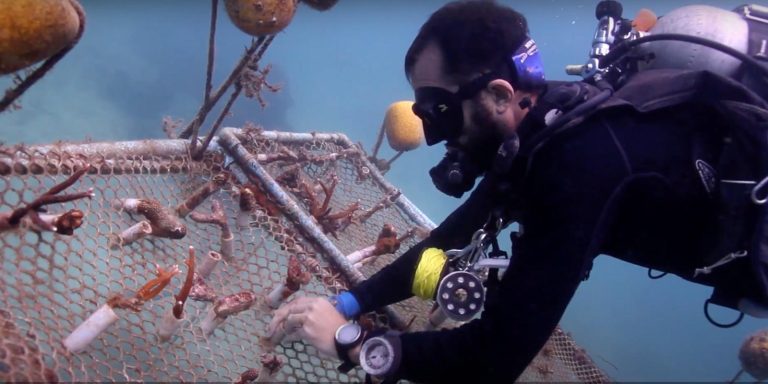
Some dive centres participate in marine monitoring, reef restoration, beach clean-ups and environmental education.
These initiatives can be valuable, particularly when developed with marine scientists, conservation organisations, or local communities.

Marine conservation on Ko Tao
Ko Tao is one of Thailand’s best-known diving destinations and shows how tourism businesses can contribute to marine conservation.
New Heaven Dive School established the New Heaven Reef Conservation Program in 2007 to support marine research, environmental education and reef protection. The programme has supported conservation activities designed to improve understanding of local marine ecosystems and encourage more responsible diving practices. In 2023, the New Heaven Reef Conservation Program received recognition in the Nature, Marine & Heritage category at the Responsible Thailand Awards.
For visitors interested in marine conservation, initiatives like this show how diving can offer opportunities to learn about the underwater environment while supporting its protection.
Choose sunscreen carefully
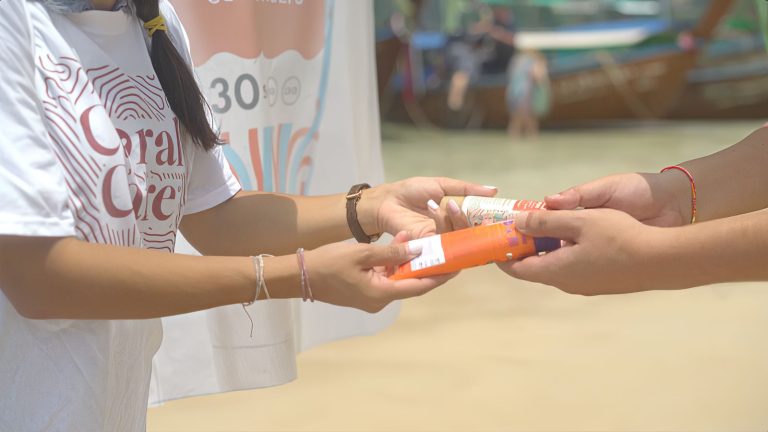
Protecting your skin from Thailand’s tropical sun is essential, especially when you spend extended periods on boats or in the water. However, some sunscreen ingredients have raised concerns about their potential effects on coral and other marine organisms.
Thailand introduced restrictions in 2021 prohibiting visitors from bringing sunscreens containing four specified chemicals into national parks or using them there. The prohibited ingredients are:
- Oxybenzone (Benzophenone-3)
- Octinoxate (Ethylhexyl methoxycinnamate)
- 4-Methylbenzylidene Camphor (4-MBC)
- Butylparaben
The restrictions apply to Thailand’s national parks, including marine national parks, and violations can result in fines of up to 100,000 baht.
What does reef-safe sunscreen mean?
Products marketed as reef-safe or reef-friendly are increasingly common, but these descriptions don’t necessarily mean a sunscreen is harmless to marine life. The most reliable approach is to check the ingredients rather than relying on marketing claims.
Mineral-based sunscreens containing zinc oxide or titanium dioxide are worth considering, as long as they don’t also contain ingredients prohibited in Thailand’s national parks. You can also reduce how much sunscreen you need by wearing a long-sleeved, UV-protective rash guard or swim shirt.
A wide-brimmed hat and appropriate clothing provide extra protection when travelling by boat or relaxing on the beach. The aim is to protect your skin effectively while reducing unnecessary chemical exposure in sensitive marine environments.
Respect Thailand’s marine wildlife
Thailand’s coastal waters support a wide range of marine species, including sea turtles, reef sharks, rays, seahorses, and, in some locations, whale sharks. Seeing these animals in their natural habitat can be unforgettable. However, encounters should always take place on the animals’ terms.

Sea turtles
Never touch, chase or attempt to ride a sea turtle. Turtles need to reach the surface to breathe, so avoid positioning yourself directly above one or blocking its path. If you encounter a turtle feeding or resting, observe quietly from a respectful distance.
Whale sharks and manta rays
These large marine animals attract divers to some of Thailand’s best-known dive sites. Avoid swimming directly towards them, blocking their path or crowding them with other divers. Follow your guide’s instructions and any site-specific wildlife encounter rules.
Reef fish and other marine creatures
Never feed reef fish to encourage them to gather around you. Artificial feeding can change natural behaviour and disrupt relationships within the marine ecosystem. Likewise, leave shells, starfish, sea cucumbers and other marine organisms where you find them. Even apparently harmless interactions can disturb animals or damage their habitats.
Help protect Thailand’s coral reefs
You can contribute to marine conservation in several ways beyond following the rules during a snorkelling or diving trip.
Support credible conservation initiatives
Some marine conservation organisations and dive centres offer educational programmes, monitoring activities and opportunities to learn about reef ecosystems. Look for initiatives that work with qualified researchers, local authorities or established conservation organisations. Be cautious about activities that promise tourists the chance to plant coral without explaining how the work is supervised or whether it’s part of a scientifically managed restoration programme.
Reduce plastic waste
Single-use plastics are a persistent problem in marine environments. Bring a reusable water bottle where practical, avoid unnecessary packaging and ensure all rubbish is disposed of properly. Never throw cigarette ends, food waste or other items overboard.
Don’t collect marine souvenirs
Coral fragments, shells and other natural materials play a role in coastal ecosystems. Leave them where they belong rather than collecting them as souvenirs. Avoid buying jewellery, ornaments, or decorative products made from coral, turtle shell, or other protected marine wildlife.
Respect temporary closures
Marine authorities sometimes close reefs, beaches or national park areas to protect wildlife, allow environmental recovery or address safety concerns. These restrictions are an important part of managing tourism sustainably. Always respect closure notices, even when an area appears accessible.
When is the best time to snorkel and dive in Thailand?
Thailand offers snorkelling and diving opportunities throughout much of the year, but conditions vary considerably between the Andaman Coast and the Gulf Coast.
On the Andaman Coast, destinations such as Phuket, Krabi, and the Similan Islands generally have the most favourable sea conditions during the north-east monsoon season, although conditions vary by location and weather.
On the Gulf Coast, destinations such as Ko Tao and Ko Samui follow different seasonal patterns, making them alternatives during parts of the year when conditions are less favourable on the Andaman Coast.
Some marine national parks close seasonally, while individual reef areas may be temporarily restricted because of coral bleaching, conservation work or adverse weather. Before arranging a trip, check current conditions, national park opening dates and any restrictions affecting your chosen destination.
Remember that the best time to visit isn’t necessarily the busiest time. Travelling outside peak periods, when weather and sea conditions permit, can sometimes help reduce pressure on heavily visited locations.
Small actions make a difference
Thailand’s underwater landscapes are an important part of the country’s natural heritage. Healthy coral reefs support marine biodiversity, sustain local livelihoods, and offer visitors opportunities to appreciate the diversity of life beneath the surface.
Protecting these environments requires cooperation between authorities, tourism businesses, local communities and travellers. By choosing responsible operators, respecting marine wildlife, and being careful around coral reefs, visitors can help ensure Thailand’s underwater world remains a source of wonder for future generations.